Eat and Drink

coucher du soleil


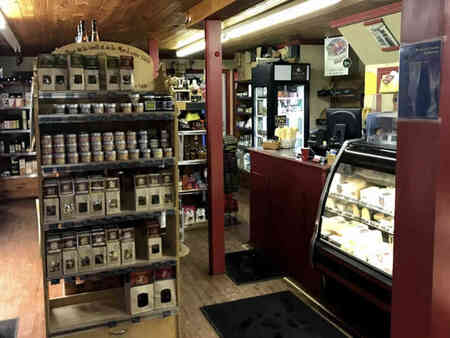
For many, mead is a drink of the gods, often portrayed as such in fantasy tales and legends, among others. But Québec produces excellent mead, including that from Hydromellerie du Vieux-Moulinin Sainte-Flavie.
Known and appreciated by the Greeks and Romans, mead later spread to the Gauls. Made by fermenting water and honey in widely varying proportions, this drink of the gods was popular with both families and religious communities in the Middle Ages. It remained widely drunk in Europe until the 19th century. In Norse mythology, the Valkyries fill the horns with mead at the feast of the gods.
Normand Tremblay, who founded this family business 26 years ago (in 2022), has been producing honey for over 40 years. At first, he sold in grocery stores and local businesses. But when the idea of producing mead came up, they needed a building that could house a shop as well as production equipment. In 1995, the family acquired an old flour mill built in 1830, which they’ve occupied ever since.
Nicolas, the founder’s son, now runs the business.
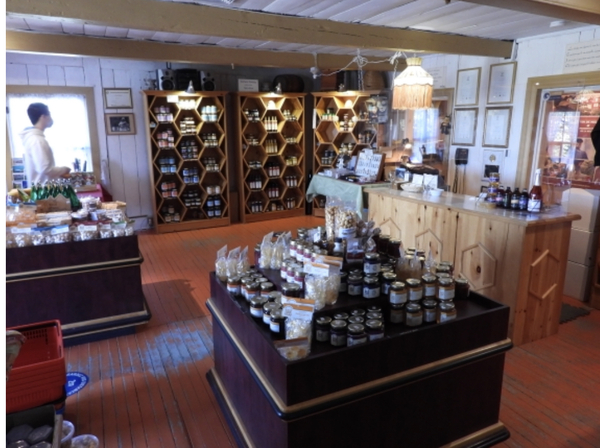
The fabulous honey wines made and produced here have won gold medals several times at various competitions (wines and spirits of the terroir). In the shop, you’ll find many honey products and an observation hive. 

Hydromellerie du Vieux Moulin

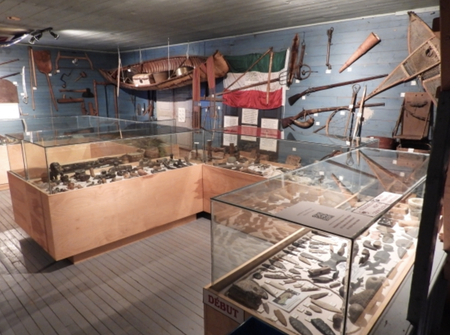
Tucked away upstairs is the Musée de la Neufve-France, featuring heritage treasures from Nouvelle-France and exceptional First Nations artifacts, the result of Normand Tremblay’s passion for collecting since the 1970s. Definitely worth seeing if you visit the shop.


Hydromellerie du Vieux-Moulin
vieuxmoulin.qc.ca

141, route de la Mer
Sainte-Flavie, Qc G0J 2L0
418.775.8383

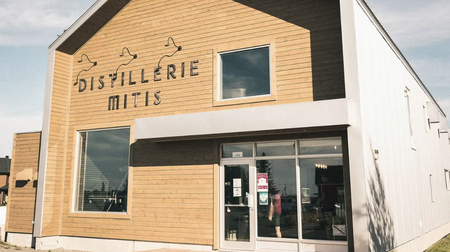
David Soucy is a forestry engineer. Yan Lévesque is an electromechanical engineer. A certain evening over scotch in 2016, so to speak, gave rise to a project. It grew out of a shared passion for spirits, a creative dream and a desire to take part in their region's development.
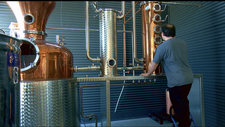
For more than two years, they developed the concept for their distillery, taking care to make informed and logical choices. Since water is the foundation of production, they decided that water from the Mitis River would best meet fermentation requirements and produce a product that measures up to fine spirits industry standards. The choice of location followed from that decision: near the river, in Mont-Joli.

Distillerie Mitis
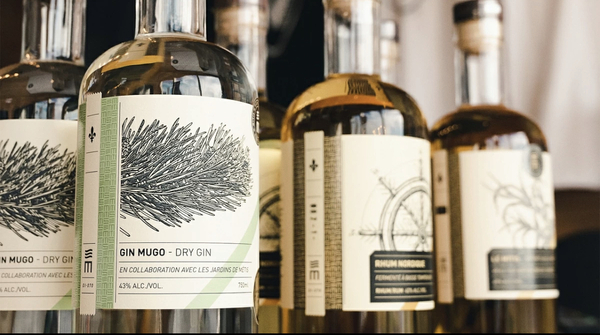
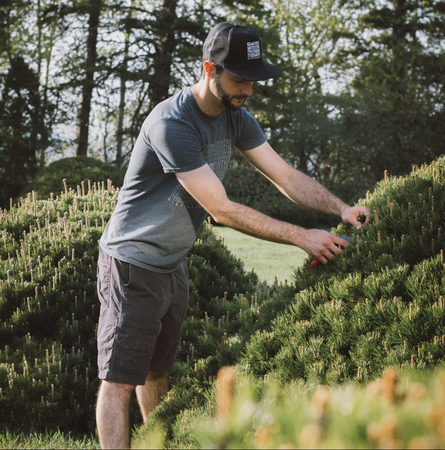
The product creation process, in line with their values and quality standards, requires partnerships with local businesses and organizations that specialize in their field. Jardin de Mitis (mountain pine) and Ma cabane en Gaspésie (concentrated maple sap) are two examples, among others.
Distillerie Mitis
The specialized equipment that makes up the still was designed and built according to Yan's concept (Yan is the team's mechanic). This equipment accounts for a large share of the final result once the various ingredients are blended. Aging in oak barrels is also an important factor in the rum's quality. Maceration in selected, toasted Québec wood, such as sugar maple, yellow birch and apple, is paired with French and American white oak to produce a balanced, lively and woody spirit: Mitis.
Frimas vodka was launched in June 2022, flavoured with Québec sea buckthorn fruit! Slightly fruity and tart, smooth and mellow, it can be enjoyed neat, on ice or in cocktails.
The shop at the Mont-Joli distillery also stocks a few branded items for enthusiasts. Worth a visit if you're passing through the area.

Distillerie MitisDistillerie Mitis
distilleriemitis.com
1034, avenue de la Gaspésie
Mont-Joli, QC G5H 0B2
418.775.4011

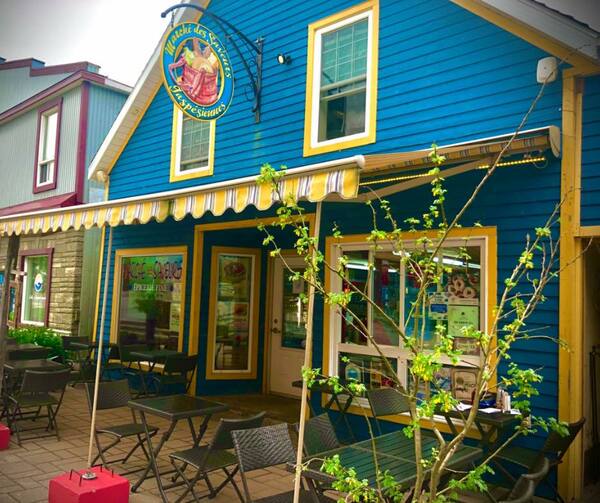
Whenever you come across the term 'gourmet food shop' associated with a business, you often expect to find imported, little-known, rare or high-priced products, or even 'questionable' terroir products. At the Marché des saveurs gaspésiennes, in the heart of the restaurant, bar, boutique, hotel and other business district on rue de la Reine in Gaspé, they've spent 20 years trying to show that there is every reason to take an interest in this range of fine products, especially for making meals and recipes stand out from the everyday.

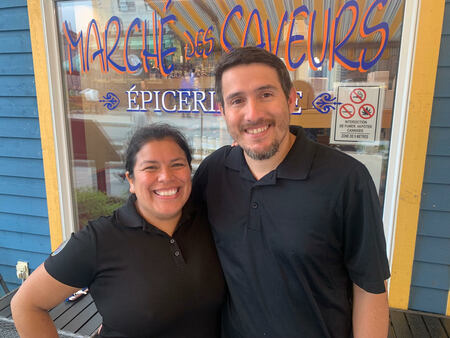
Since 2022, the business has changed hands. Claudia Romero and Ricardo Granja arrived in Québec and Gaspé from South America 11 years ago, when they were 26. They now run this gourmet food shop, one of the most popular of its kind. Both come from families of entrepreneurs. Since their arrival in Gaspé, Claudia has completed business succession training, worked in customer service and tourism, and has even taught French to foreign workers based in Gaspé.

 Marché Saveurs
Claudia says she’s living a dream come true. After many years alongside the owner of the legendary Marché des Saveurs Gaspésiennes, she bought the business to put down roots here. She saw him as a mentor. She had long had her eye on the shop, which she had already been visiting for a long time. When he told her he intended to sell, she jumped at the chance, and they quickly agreed on the terms of the transfer.


'We wanted to build a business. We wanted a project in aquaculture, our specialty, but we found that difficult. It came to more than four million dollars,' Claudia explains. 'We contacted our creditor and took over the business I’d loved ever since we’d been living around here,' she adds, a contented woman who lives on the peninsula with her children, Marycielo and Ricardo.

 
Ricardo chose to join his partner in this new venture. He looks after the kitchen and purchasing, among other things, while Claudia is in charge of administration and human resources. They employ 14 people, several of whom have been there for a few years.

Marché Saveurs
Although the takeover happened in the middle of the pandemic, Claudia is happy with their choice. "We learned a lot, and I love learning! It was tough, because we had to manage product and labour shortages, and the frequent changes in prices and health regulations were a bit overwhelming. But don’t panic; you have to take things one at a time. I’m happy with what we’ve accomplished. We even managed to bring our values and our character to this already well-established business."

"The labour shortage is a major challenge, and we’ve decided to address it by bringing in staff from abroad. We’ll support these people and make sure they feel at home.

Marché Saveurs Marché Saveurs

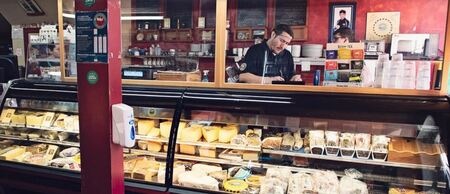
The Marché des Saveurs Gaspésienes is one of the few places in Gaspé where you can find bakery bread and pastries. You’ll also find a wide selection of fine cheeses and beers from Gaspé microbreweries. Local products are available: smoked salmon, soaps, meat, coffee, and so on. There are also imported European products. Several dishes are cooked on site for takeout.


As if running this business wasn’t enough, Claudia secured a canteen concession (Délices Forillon) at the Centre récréatif – secteur sud du Parc national de Forillon. Park managers were looking for a concessionaire for a two-year contract. She submitted an application and was awarded the contract. Park visitors can enjoy some of the dishes cooked in Gaspé, cheeses, charcuterie, pastries, and much more. An employee has been assigned to run the canteen.


Asked whether she has advice for people who want to start or take over a business, she says never to give up. "It's wonderful to be able to achieve it. You need to encourage one another as a family," she murmurs.

Le Marché des saveurs gaspésiennes
marche-de-saveurs-gaspesiennes.business.site
119, rue de la Reine
Gaspé, QC G4X 1T5
418 368-7705

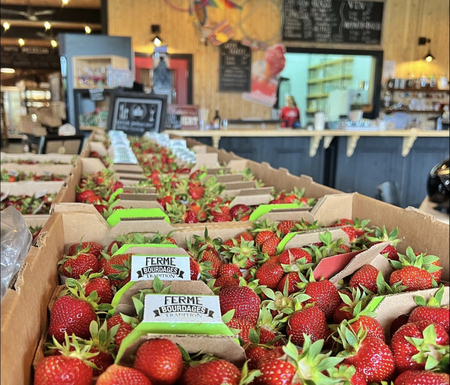
Whether you like strawberries a little, a lot, passionately, or not at all, you certainly won’t stay indifferent when you step into the Ferme Bourdages shop in Saint-Siméon-de-Bonaventure.

Ferme Bourdages
From the moment you arrive, you sense that something remarkable awaits. That feeling is quickly confirmed when you see the variety of products on display in this spacious shop, most of which have one thing in common: strawberries. It’s the largest producer in Gaspésie.
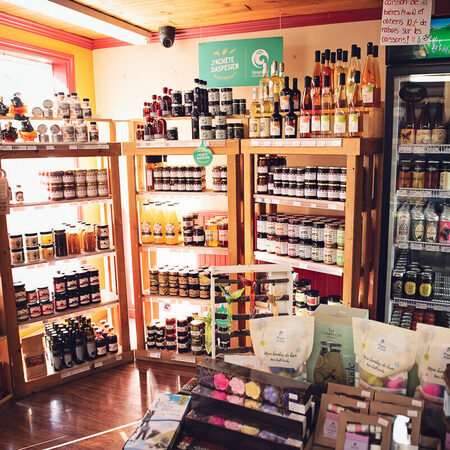
You’ll also find the strawberries themselves, in their simplest form, along with various products grown in gardens or sourced from local producers, including seasonal vegetables, jams, tarts and pies of all kinds, as well as breads and pastries. As for the strawberry wines, all named in honour of the Bourdages ancestors, you can sample them at a tasting counter. You can also eat there, with several dishes on offer.

Ferme Bourdages
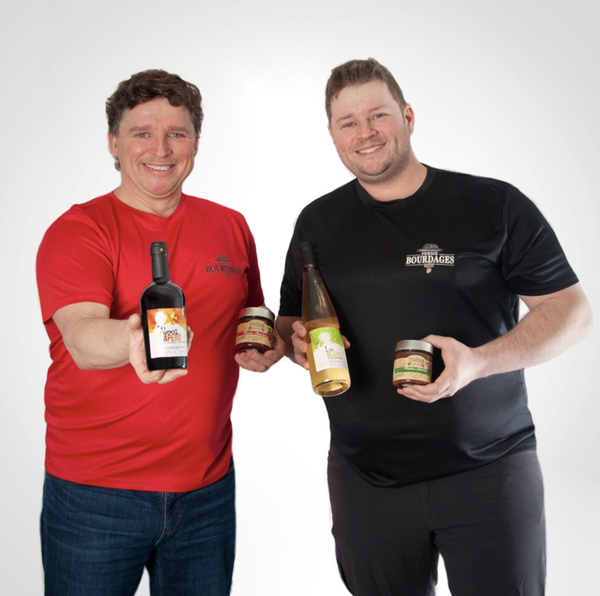
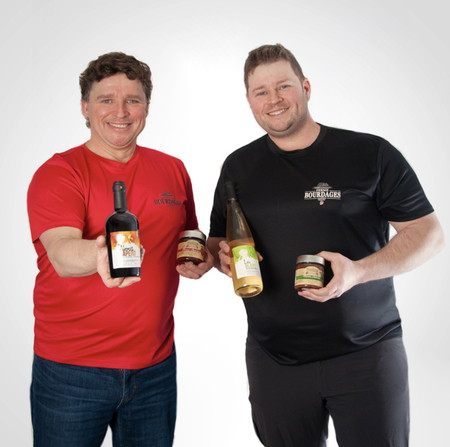
Pierre Bourdages, the company’s general manager and co-owner with his brother Jean-François, explains that this display of products and flavours is the result of 200 years of cultivation on the family farm. They are the sixth generation of Bourdages on this land, which carries on its tradition of abundance and quality.
The Ferme Bourdages shop is more than a store: it’s a sensory and cultural experience. And while the products can’t carry the organic label, Pierre Bourdages assures that the cultivation and processing methods come close to organic standards, using predatory insects and other processes that ensure the highest quality.
Initially, the farm was meant to provide for the family. In the 1990s it became a market garden, after Pierre graduated in agricultural technology and bought the farm with his parents. That's when strawberry production took off. Needless to say, it's the result of intense effort. Today the strawberries benefit from expertise that makes them some of the best-tasting on the market, says the farm's co-owner, who talks about them with passion.
Wine production, for its part, began in 2000, when Jean-François joined the team and completed training in the wine sector. Today, Ferme Bourdages produces 45,000 bottles of strawberry and rhubarb wine a year. In addition to the Saint-Siméon shop (60% of sales), the wines are distributed to 100 businesses across Québec, including some SAQ outlets.
Ferme Bourdages employs around 100 people, including nearly 30 Mexican workers who return each year to lend a hand with field work and elsewhere.

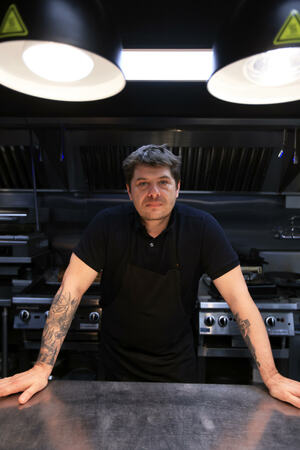
In Québec, a culinary capital par excellence, Stéphane Modat’s name is firmly established among the must-know chefs and high-end restaurant owners. When you’re invited to spend some of his valuable time discussing Le CLAN’s concept and then enjoy his tasting menu, you can’t help but feel privileged.

This Frenchman arrived in Québec 25 years ago already carrying quite a bit of experience, ideas and projects. He made a name for himself in several well-regarded establishments in Québec before taking over as head chef at Champlain, in the prestigious Château Frontenac, a position he held for eight years. Then came the Covid pandemic in 2020. He saw it as an opportunity to make changes and launch his own business.
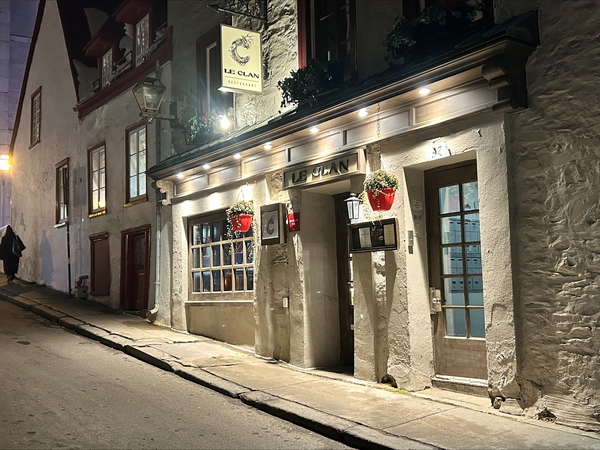
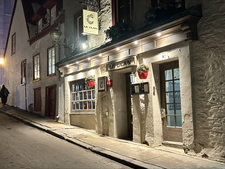
In February 2021, he left the Château. His search led him to the former Café de la paix on rue Des Jardins. The legendary establishment, founded in 1952, had once been a landmark of French cuisine in Québec before closing its doors in 2013. Why this place rather than another? ‘You have to write history in something historic,’ Stéphane Modat said as he prepared to establish his Clan there.

Le Clan

By definition, a clan is a small group of people who have ideas and tastes in common and share them within their circle, or a group that supports one another out of passion or interest. For Chef Modat, this concept applies to his business model: gathering around him producers, market gardeners, processors, artisans and merchants who offer quality local and regional products, and introducing them to his customers from here and elsewhere. In doing so, he builds a terroir community while helping to develop a Québec gastronomy with international reach.

Meat, game, fish, seafood, vegetables, spices and other products are always in Stéphane Modat’s sights. He travels the regions to keep discovering the finest products and the most original, accomplished producers. “No compromise is possible in this field,” he insists. The restaurant’s logo, in the heart of Vieux-Québec, clearly captures this spirit. It brings hunting and fishing products together in a terroir setting, which reflects the chef’s love for these activities.

What drives him day to day since he created le Clan? “I feed the world! I’m lucky to welcome people into my home and to offer them the best in every way!”

Le Clan

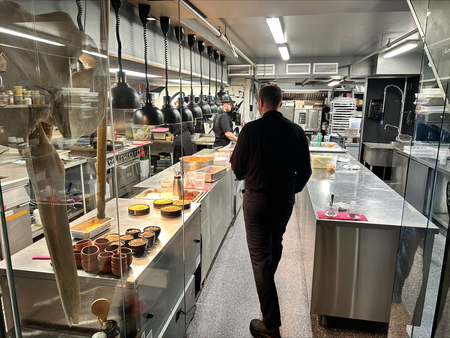
One of the key elements of le Clan’s formula is that everyone enters through the kitchens. Customers, suppliers and staff alike gain access through the place where everything really happens. Once upstairs, you are immediately immersed in an atmosphere that prepares you for what follows. “Welcoming people is my passion,” chef Modat says.

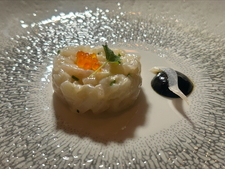
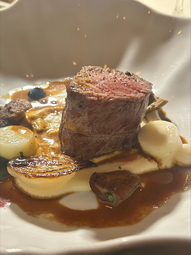
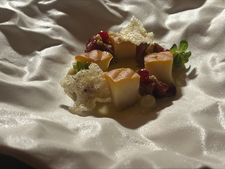
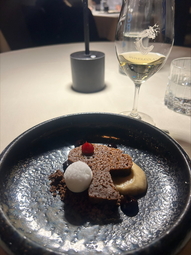
The tasting menu we sampled during our visit is, on its own, a complete culinary and emotional adventure. You move through many flavours, delighting in each dish’s presentation before it even reaches your mouth. The Baie-Comeau scallops (summer vegetable aguachile, squid ink, trout roe, pickled onions), the Châteauguay yellow sturgeon (Jerusalem artichokes, cranberries, almonds, caribou, ginger), the Cap Saint-Ignace guinea fowl (miso morels, foie gras, tempeh, poultry cream), the Hommage à Marie-Victorin (Lactarius, blueberry, Labrador tea, spruce), and their wine pairings. These are a few examples of what awaits lovers of truly unique gastronomic discoveries.

Le Clan Le Clan Le Clan Le Clan

Chef Modat has also been innovating since summer 2024 with his lunch menus in a tapas-style "Café de la paix" format. They are popular with industry workers and with visitors looking for culinary curiosities based on Québec terroir products. He also accepts invitations to share his talents as a guest chef at other establishments, and even occasionally on cruise ships docked at the port of Québec. He takes part in international events as an expert speaker, both here and abroad.

Stéphane Modat, father of four children (now adults and teens), all born in Québec, has also been involved in the community for several years, notably at Patro Roc Amadour de Limoilou, which his children attended. There, 180 servings of bouilli with vegetables were served as part of a fundraising event. His friend Peter Simons, of the company bearing his name, which is over a century old, joined him for the occasion.

Worth noting, last May the Guide Michelin recommended Le Clan in its prestigious, world-renowned gastronomic directory. The restaurant was also named "Restaurant of the Year 2025" in Québec at the prestigious Lauriers de la gastronomie.

Le Clan

This entrepreneur from France has fully integrated into his adopted city, Québec. He has become a living symbol of the idea that determination, innovation, quality and diversity are essential ingredients for success. Le Clan reflects well what he considers the secret of his commitment: "Act for the right reasons, without compromise. The best ideas arrive tomorrow!" he is convinced.

Le Clan
Le Clan
restaurantleclan.com
44, Rue des Jardins
Québec, QC G1R 3Z1
(418) 692-0333

Since 2008, Île d’Orléans has been home to a business founded by a couple who have never stopped pouring their heart and passion into it, making it what it has become today. Originally known as "Aux petites douceurs", it offered terroir products, Québécois creations and, as its name so aptly puts it, "little sweet treats".

 
Both European but well travelled, they chose to make the move from Martinique to Québec in 2006, after visiting a few times and falling in love with the place. Steeped in confectionery culture, they have been in the culinary and pastry business for more than 45 years.

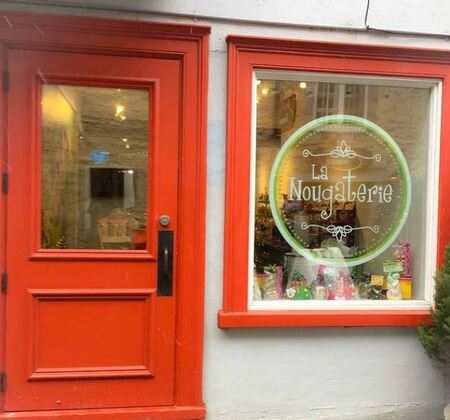
 La Nougaterie
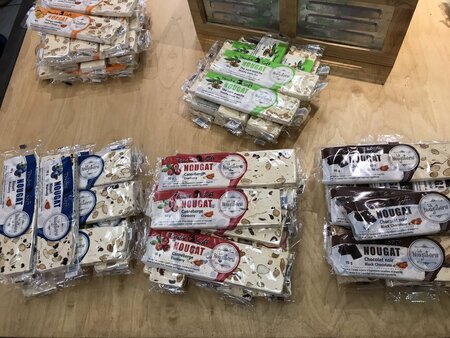
A few years later, Caroline Marelli and Patrick Augier had the idea of making all these little treats themselves, which they offered at their shop, now called La Nougaterie. They chose to work with nougat, combining it with honey and maple, two natural sugars.

 
Nougat is made from egg whites. "No colouring, no additives, no chemicals," Caroline assures. Almonds, pistachios and orange blossom are added to these confections, which come in various shapes. It is made following an artisanal, old-fashioned recipe.

 La Nougaterie
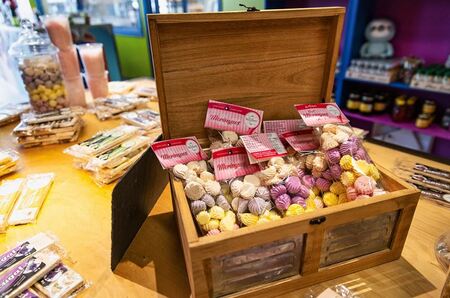
La Nougaterie also offers its sweets and other treats, with recipes worthy of the finest, especially meringues, marshmallows, lunes de miel, spreads and jams, bouchons de l’île, fruit butters (apple, blueberry, etc.) and nougats in all their forms and in a good number of fruity flavours. Caroline is quick to add that nougat is a very energizing product, low in calories.


On Île d’Orléans, they make 14 flavours of nougat candy, and the caramel ones are the most popular. Lunes de miel are also popular. The full range is worth a look at the shop in Saint-Pierre, not far from where the great Félix Leclerc spent much of his life.

La Nougaterie
You can also visit the online shop and order your favourite products.
La Nougaterie also has a shop in Québec's tourist district, at 51 rue du Petit Champlain.

La Nougaterie

Nougat known in Antiquity
Nougat, a soft and smooth confection dating back to Antiquity, was made in the Orient with almonds, honey and spices. The Greeks also knew how to make it, using walnuts. In the 14th century, confectioners in Damas, Syrie, decided to make a softer nougat and incorporate pistachios from Alep, which gave it a pleasant aroma.


Various soft and hard varieties emerged over the centuries. The true nougat, as we know it today, appeared in the mid-18th century. Egg whites, blended with honey and sugar, were added, which helps to aerate the paste well.


La Nougaterie de Québec
nougateriequebec.com
1367, Chemin Royal
Saint-Pierre-de-l’Île-d’Orléans
(QC) G0A 4E0
418.991.0889

For some, it's the "end of the lake." It's also where it originates, with the Mistassini and Péribonka rivers flowing into it. The territory of the municipality of Dolbeau-Mistassini, in Lac-Saint-Jean, harbors several attractions for outdoor enthusiasts in all seasons, water sports, historical discoveries, and also blueberries, chocolate, and various gastronomic pleasures.


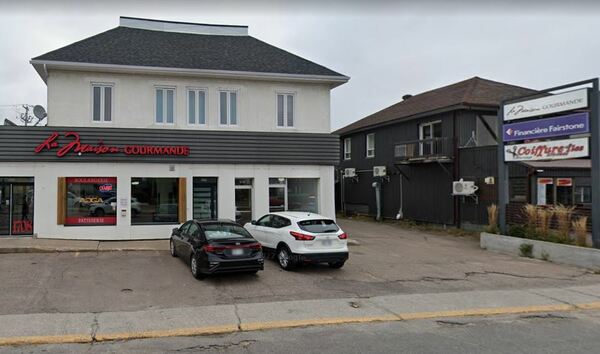
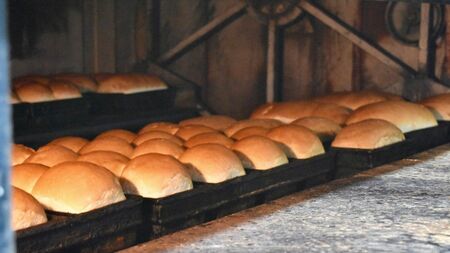
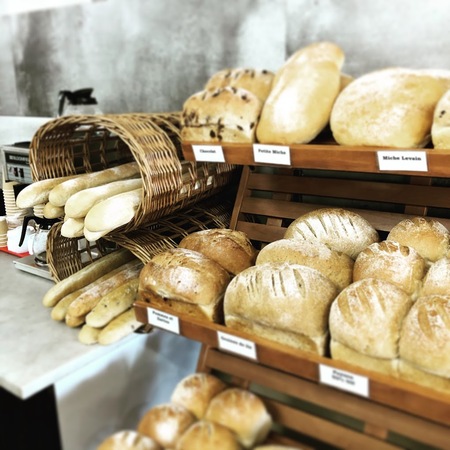
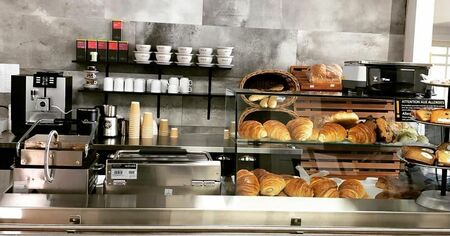
La Maison Gourmande is a must-visit, both for locals and tourists. In addition to producing a wide variety of breads prepared daily, it offers a shop with regional products and delicious pastries of the day, as well as dishes to take away or enjoy on site.
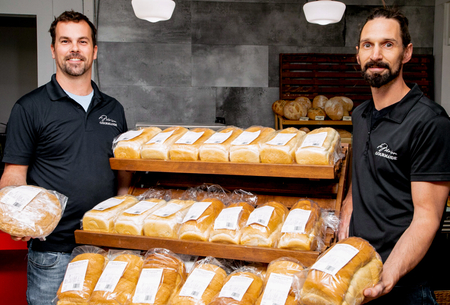
 Maison Gourmande
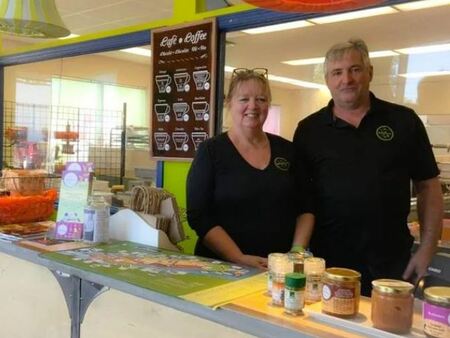
The bakery, co-owned by Jean-François Lambert and Francis Bouchard (photo above) since 2007 and renamed La Maison Gourmande, has continued the tradition of offering fresh, homemade products daily. They also strive to diversify the range, taking into account trends and customer demand. La Maison Gourmande has also been present in Alma since 2010 with a similar formula.


Like most businesses, the owners had to adapt over the past three years to the new realities arising from the COVID pandemic. "At first, it was a bit of a shock for everyone. Quebec paused, and we had to close our business for three weeks. It was hard to know where we were going," admits Jean-François Lambert.
Maison Gourmande Maison Gourmande
The duo quickly rolled up their sleeves and made some changes to continue satisfying their customers. The "takeaway" formula, for both fresh products and cooked meals, quickly became a hit.
This formula worked so well that it remains in place. In Dolbeau-Mistassini, there's a restaurant corner where customers can have breakfast (sandwich formula) from 7 am, and lunch in addition to their counter purchases. La Maison Gourmande has about fifty seats in its restaurant section, divided into two areas. They offer a well-priced daily menu that varies from Monday to Friday, featuring soups, salads (and meal salads), hot dishes, and a variety of sandwiches.
 Maison Gourmande Maison Gourmande
"What makes us successful is the freshness of our products. And to achieve this day after day, you have to get up early. Baking is done overnight, and when we open the doors to customers, freshness is always guaranteed," explains Jean-François. La Maison Gourmande's products are also found in local groceries.


Over time and due to market evolution, the place has become a bakery-sandwich shop-pastry shop. For the two partners, this caters to a wider clientele and an ever-growing demand.
Maison Gourmande
For both branches, about fifteen people are employed, including part-timers. "We're lucky so far, our team is stable and independent. It's a great, experienced team, and our people come to work with a smile. However, urgent needs for a replacement or to fill a more specialized position pose more challenges," admits Jean-François Lambert.


Bringing Quality Home
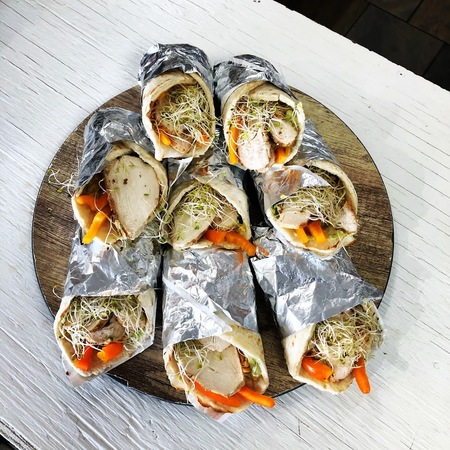
Sandwich lovers will be delighted with the many varieties of bread and fillings offered by La Maison Gourmande. The products are always fresh, and the menu varies according to the inspirations of the moment. Ham and brie croissant, tuna and alfalfa roll, generous croque-monsieur. The salads are fresh and colorful, and the soups can even make children forget the amount of vegetables they're sneakily consuming! For those in a hurry, the salmon, chicken, or meat pies are great time-savers, without compromising on meal quality.
Maison Gourmande 
For espresso lovers, café au lait enthusiasts, allongé aficionados, or simply good coffee connoisseurs, La Maison Gourmande is the quintessential spot in Dolbeau-Mistassini. For those who cannot make the daily detour to enjoy a freshly brewed coffee, it's possible to buy their ground or whole bean coffee directly from the store to recreate the recipe at home. There is a grinder on-site, allowing customers to grind the beans to their liking.

La Maison Gourmande
lamaisongourmandedolbeau.business.site
1708, boul. Wallberg
Dolbeau-Mistassini, QC, G8L 1H6
(418) 276-2039

Alma Branch:
240, rue Collard
Alma, QC, G8B 1M6
(418) 662-3279

Miscou Island, in the Acadian Peninsula, is exceptionally beautiful. No wonder Michèle Garceau and her family chose to make it their home more than 10 years ago. She had found her partner there some fifteen years earlier. Today, she runs what became her project as early as 2012, though it took time to come to fruition for various reasons, including the tragic death of her partner and, of course, the COVID pandemic. 
Vieille école Miscou

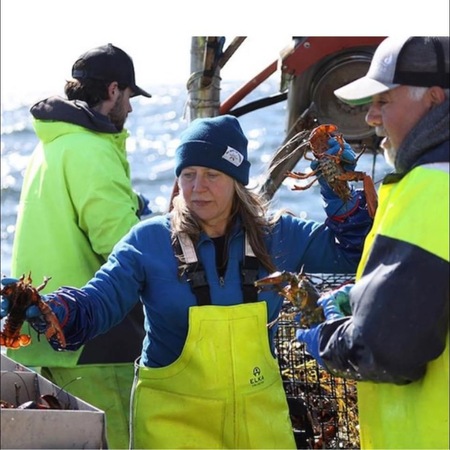
Notably, this anthropology graduate, who has worked for over 25 years in Québec in television and film production, among other fields, covering social, cultural, anthropological, human, and many other interests, has since added another string to her professional bow: lobster boat captain since 2016. She remains one of the few women in the Maritimes to practise this trade, which was in fact the subject of a documentary (*) in recent years.

Once the fishing season ends in June, her project at La vieille école de Miscou takes over for the summer season, running through October.

La vieille école de Miscou, which she owns, is now part of the socio-economic, tourism and cultural landscape of the island and indeed the entire region. "I bought the school thinking I wanted to do something creative," she explains. Life's twists and turns delayed things somewhat, but over the past three years, the project has finally taken shape and become a reality.
Vieille école Miscou Vieille école Miscou

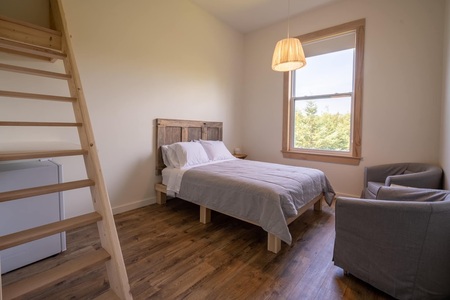
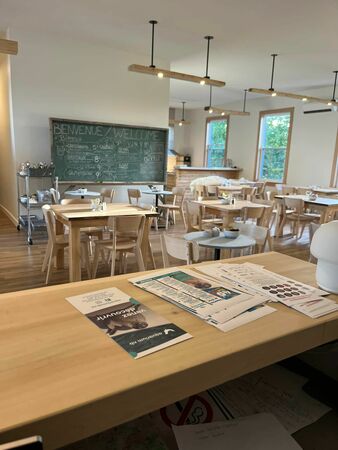
The building, built in the 1950s, has two floors and aims to be a multipurpose space based on Michèle Garceau's concept of a house for travellers, artists and locals. Extensive renovation, improvement and redevelopment work has been carried out over the past 10 years. The upper floor has eight well-appointed rooms with bathrooms, each accommodating 2 to 5 people, for a total of 32 people. There is also a coffee corner and an equipped kitchen for meals served in the dining room. Downstairs, a large community room will host gatherings, performances, conferences or receptions starting in summer 2024.
Vieille école Miscou Vieille école Miscou

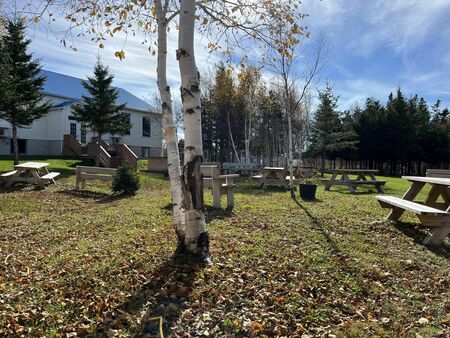
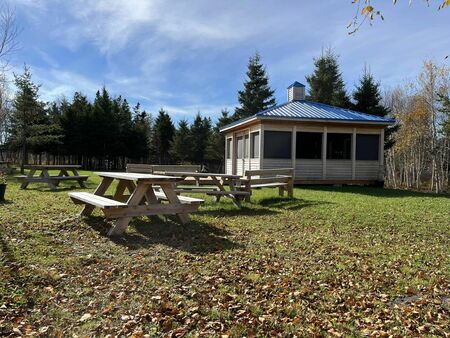
At the back, on the spacious grounds surrounded by trees and greenery, covered structures have been set up to host family activities, yoga classes, or other gatherings. Smaller ones can be used for sheltered picnics, while two others house a spa, accessible to guests staying in the rooms. The courtyard can host all kinds of outdoor activities, tailored to the seasons.

In August, around National Acadian Day, they hold the popular Festival du thon, featuring games, music, food, entertainment, contests, tastings, a family celebration, and more.

Vieille école Miscou

Michèle Garceau notes that for the past three years, the venue has hosted private events throughout spring and autumn, both before and after the tourist season. These events occupy the space entirely or in part, for a few days or even whole weeks. The venue is a favourite with event organizers seeking a calm, well-organized, welcoming, and versatile location. The administrators and members of Caraquet's LGBT organization Acadie Love even held an orientation meeting there last autumn. Before closing for winter, a large Halloween party for the local and regional community was held there in 2023. We can bet it will return in the coming years.
Vieille école Miscou

Public access to the rooms and restaurant is mainly from around June 19 to October 15. "Actually, once the bog has lost its fiery red," recalls Michèle Garceau. "Toward late September and early October, it's practically a ritual, with everyone coming to Miscou to see this annual spectacle." 

During the season, you can enjoy the seasonal licensed café/restaurant. In addition to the café corner, which serves coffees, smoothies, croissants, chocolatines and muffins, traditional breakfasts and lunch are also available. They also serve lattes and iced lattes, homemade fish cakes, filled paninis, and even a homemade Caesar salad and lobster roll. Whether you're staying a few days or just stopping by on a visit to the historic 23-metre lighthouse at the island's tip, you'll be welcome, says Michèle Garceau.

Vieille école Miscou  Vieille école Miscou

La vieille école is proud to contribute to Miscou Island's economic and tourism growth, employing 8 to 10 people from June to September.

Vieille école Miscou

La vieille école de Miscou
facebook.com/LavieilleecoledeMiscou
506.344.0190

10577, New Brunswick 113
Miscou, NB E8T 1Z6

Vieille école Miscou

(*) Femmes capitaines, 2022, tou.tv. Available online for free. ici.tou.tv/femmes-capitaines


By Gaëtan Vaudry

When you visit Chicoutimi, especially on the famous Racine Street, you can't miss the equally renowned Bistro D. Owned by businessman David Rousseau, this establishment aims to blend French, Italian, and Asian influences, delighting a loyal clientele with delicious traditional dishes made with the finest local and seasonal ingredients.

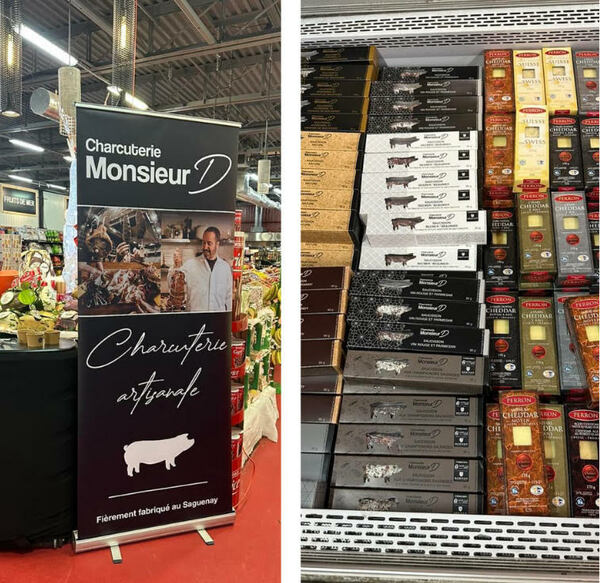
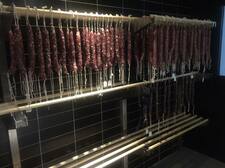
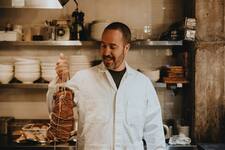
Bistro D has been a shining star in downtown Chicoutimi for several years, and its little sisters, the Sandwicherie and the Salaison du Bistro D, are no less impressive. The pride of its owner and founder, the Salaison du Bistro D offers superior quality charcuteries: "Each piece of meat is hand-prepared, artisanally," emphasizes David Rousseau. "We subtly add spices and herbs, creating a feast for the senses." The Salaison du Bistro D boasts a variety of excellent products, including dry sausages, lonzu, salami, chaudin, coppa, bresaola, ventrèche, and many more.

Bistro D2 Bistro D3 Bistro D5

In the high season, many French tourists make a detour to the Salaison du Bistro D. A Parisian customer recently stated: "I must declare my love: for 2 years in Quebec, I've been searching for a sausage reminiscent of those I had in France. I just found it in my local grocery, and it's a delight. Oh, how I missed it!" Such comments proudly flood the social media pages of Monsieur D's charcuteries, available at various points of sale in Quebec. Monsieur D's charcuteries were even semi-finalists at the 2023 Agri-Food Grand Prix Gala, in the Maxi and Provigo Public's Choice Award category. Quite an achievement!

Where David and his team truly stand out is in their precious partnerships with artisans from Saguenay. For instance, they created a sausage with beer and pork from the Villoise Farm in Saint-Gédéon, and sausages with Beemer Vodka, in collaboration with Morille Québec, offered by the Beemer Distillery in Roberval.

Bistro D2

If you try a dish at Bistro D, a friendly staff member will be able to suggest a variety of privately imported wines, carefully selected to enhance the flavors of your plate.

Bistro D / The Sandwicherie / The Salaison du Bistro D
381, Racine Street East, Chicoutimi
418 973-4668
Bistro D / The Sandwicherie Facebook Page
The Salaison du Bistro D Facebook Page

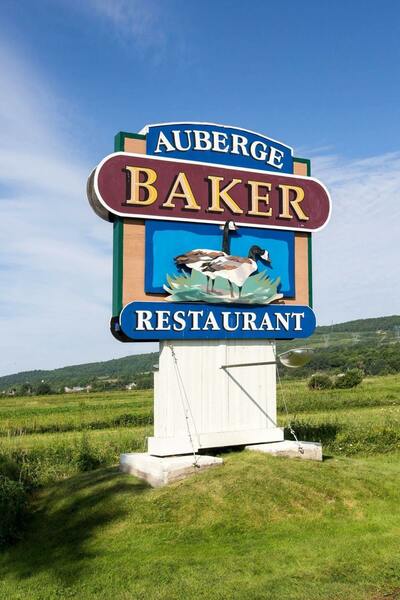
A true institution in the Côte-de-Beaupré landscape for 50 years now, Auberge Restaurant Baker on avenue Royale in Château-Richer is a place steeped in history and cultural heritage. Today, under Gaston Cloutier's management, the establishment is slowly but surely working on succession planning.

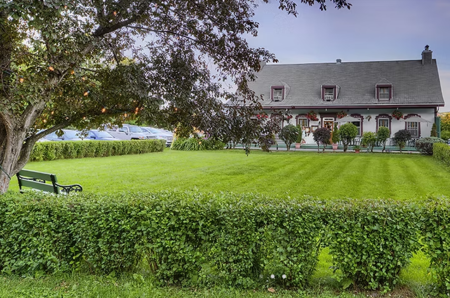
Originally a rather opulent bourgeois country house built in 1840 in one of Québec's oldest villages by Ferdinand Lefrançois and his wife Mary Ann (Anney) Brady, the place benefited from a period of prosperous economic growth. The finishes and ornamentation clearly show it was a comfortable, state-of-the-art home.

Auberge Baker 

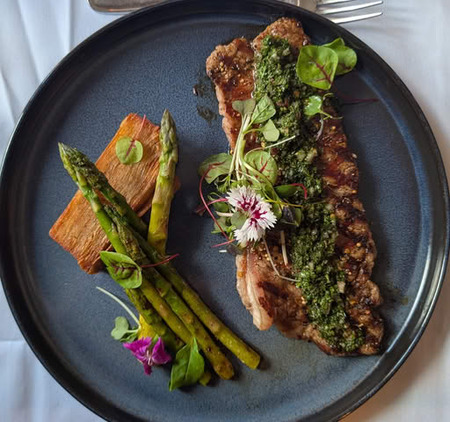
At that time, the second floor served as an attic and people only lived there in summer. Almost a hundred years later, in 1935, businessman Alvin A. Baker, who had lived through the recent economic crash, opened "The Baker's Inn" in the house, which he first rented from the owner and eventually bought in 1958. They served very Québécois dishes of the era, but it was also simple. After all, the popular dishes were bass (the fish) and steak. Since the sign read "fish and steak," it was very important for all the American visitors coming to the region.

After his death in the early 1960s, his second wife Lucienne Hamel continued to run the restaurant. Later, when she decided to step back from running the place due to health problems, Henri Simard (son of Idola Simard, owner of the land where the inn stands) bought the "Baker" in 1972. He soon sold it to one of his nephews, Gaston Cloutier, in the spring of 1975, and he remains the owner to this day.

He lived upstairs with his family until 1989, managing and maintaining the place. That year, the inn resumed its name chez Baker as five rooms were set up to accommodate tourists.

Auberge Baker

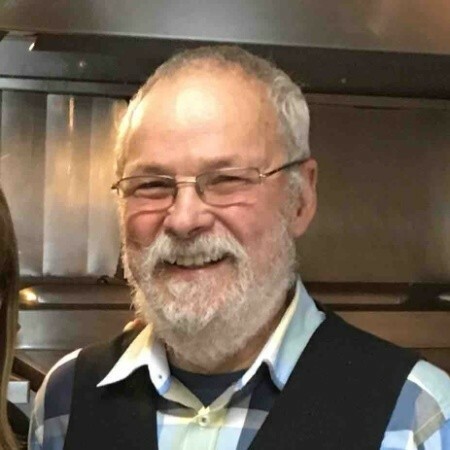
Gaston Cloutier (photo) has demonstrated a genuine passion for Auberge Restaurant Baker over the years. Alongside his work as an innkeeper, he pursued a career as a physical education teacher at a secondary school in the region from 1973 until his retirement in 2005. Since then, he has devoted himself body and soul to his establishment, which has become a significant presence in the gastronomy and terroir cuisine scene of the Capitale-Nationale region, among others. Few places can claim to have been serving meals for 90 years. Every year, he makes changes and improvements to better meet customer expectations, all year round.

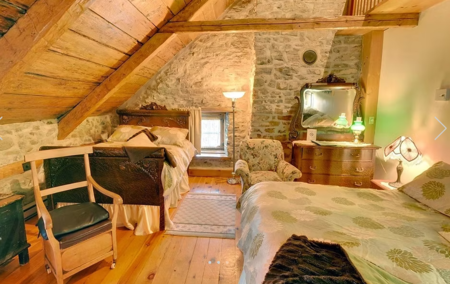
For accommodation, there are six charmingly decorated rooms in the attic, plus a small neighbouring chalet and the "Maison du Village", Grandfather Cloutier's house in the heart of the village of Château-Richer. This ancestral heritage home from 1776 faces the river and Île d'Orléans and is furnished to accommodate six people for a journey through time in 21st-century comfort.

Auberge Baker

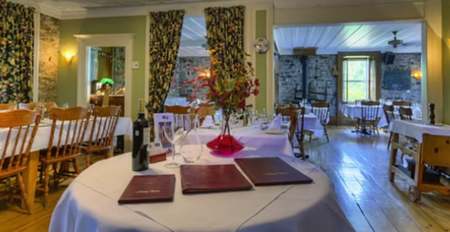
The restaurant seats two hundred and comprises a dining room and a spacious, versatile, glass-enclosed reception hall with all the multimedia equipment needed for a successful event. Evenings feature a table d'hôte menu, and Sundays bring fabulous brunches.

Auberge Baker 

Auberge Baker

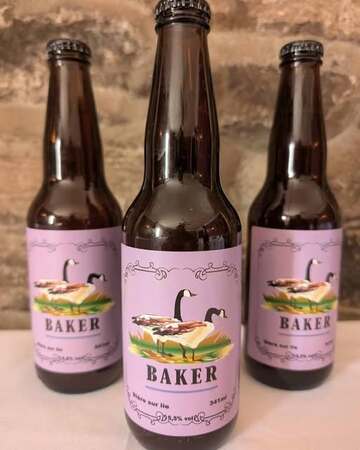
More recently, Gaston Cloutier chose to add a new product to his lineup: Baker, a Belgian-style beer brewed in Québec from hops grown on a local farm and locally produced blackberries. A special touch: it's fermented with champagne yeast, offering delicate effervescence and refined aromas.

Auberge Baker
Indeed, the success of Auberge Restaurant Baker over 50 years, under Gaston Cloutier's management, is linked to his constant dedication and to a motivation always driven by the quality of the welcome and the "Baker" product. Over 22 people work there, and the owner can rely on dependable, skilled staff to whom he can delegate a good share of the responsibilities.

An on-site visit is certainly the best way to discover and appreciate the quality of the place and its services.

Auberge Baker

Auberge Restaurant Baker
aubergebaker.com
8790, avenue Royale
Château-Richer (Québec) G0A 1N0
418 824-4478