Travel log

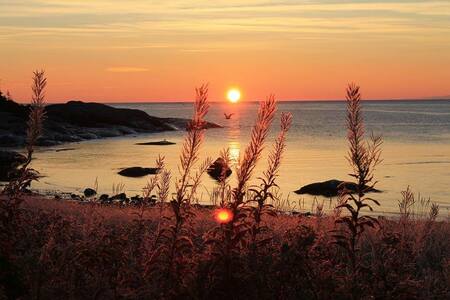
coucher du soleil

Gérard Pourcel

The beach is reached from a turnoff on Route 362 between Saint-Irénée and Les Éboulements. The descent along a narrow, winding road is quite steep. At the foot of the slope, a second, very narrow road on the left is marked “Plage.” Continue for a few hundred metres to a parking area facing the shore, bounded by the tracks of the Charlevoix tourist train. The municipality has installed a dry toilet, a welcome amenity. Especially on fine summer days, the parking area may be full, and drivers will need some ingenuity to find a small space along the edge of the narrow road. Even though getting around is a little complicated, I have never seen an inconsiderate motorist block a private entrance or the road itself.

This is paradise before Adam and Eve, although their story predates Catholic iconography by a considerable margin. According to Michel Onfray, the three monotheistic religions share the story of Adam and Eve’s lost paradise, itself derived from the Greek myth of Pandora. At the northeast end of plage de Cap-aux-Oies, Eden is restored, without a vine leaf in sight. Onfray also notes that a vine leaf would be climatically implausible and that a fig leaf makes more sense. Either way, at plage de Cap-aux-Oies, no one cares whether the leaf is vine or fig.
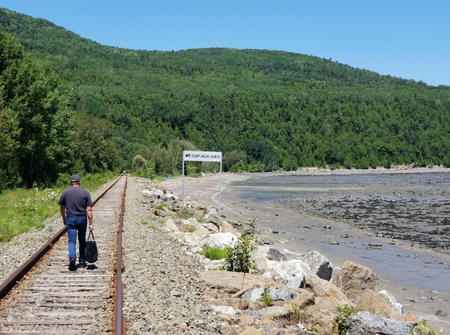

Cap aux Oies
In practice, the beach is loosely divided into three sections, without this causing any difficulty. The first, near the stairs, is heterosexual and clothed. Farther to the left is a heterosexual section where clothed and nude mix, followed by a naturist area populated chiefly by “Adams.” And should anyone partake of the forbidden fruit, which is by no means required, it will not fulfil the biblical injunction: “Be fruitful and multiply; fill the earth…”
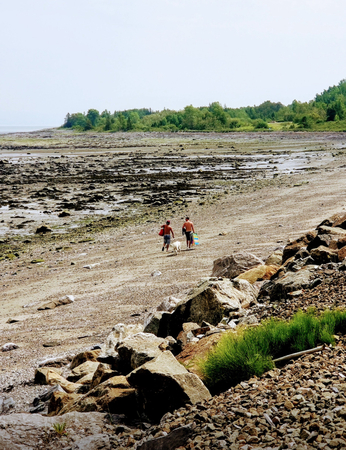
Cap aux Oies 2
The beach itself is a very beautiful broad cove backed by the mountain, with many secluded and shady spots, but it is the sense of freedom that takes hold fairly quickly. Having visited several times, I have never felt uncomfortable there. There is no harassment. Sunbathers range from young people with sculpted bodies to much older people marked by the years: tall and short, heavy and thin. In late August 2024, I even saw a naturist walking with a cane. My impression is that everyone feels comfortable and free of self-consciousness. The beach is very clean; I have never seen greasy wrappers, old soft-drink cans or other litter. Farther northeast is another small, more secluded cove of fine sand, accessible only by walking a few hundred metres alongside the railway track.

I wish you paradise not at the end of your days, but the next time you pass through Charlevoix in summer.

Reference: Michel Onfray, Traité d’athéologie, Livre de poche/Éditions Grasset, 2005.

Acadie has several charming destinations in Nouveau-Brunswick, and the Lobster Capital of the World is a particular favourite with tourists and locals alike.

Located 25 kilometres from Moncton, Shédiac is the most popular seaside destination on the Côte acadienne. The provincial park at plage Parlee is very popular in summer. It was here, in this corner of Acadie on the edge of Moncton and the Nouvelle-Écosse border (where French faces strong competition from English), that shiac was born. This Acadian dialect, which blends Acadian French and English, takes its name from a contraction of Shédiac and is heard far less often in the north of the province.

About twenty kilometres farther south, the Plage de l’Aboiteau in Cap-Pelé, vast, deep and still largely in its natural state, is one of the finest warm-water ocean beaches in Nouveau-Brunswick.

Shédiac has declared itself the Lobster Capital of the World. The town is internationally known for lobster fishing and, in early July at the end of the fishing season, holds the Festival du homard, which marked its 75th anniversary in 2024. For lobster lovers, then, it's a must-visit destination. Since 1989, to underline its title, the town has boasted a monument that delights the thousands of visitors passing through the region: a giant lobster that presides over the middle of town, where people love to have their picture taken.

The town has several charming inns and good restaurants. For a gay-friendly stay, the Gite Le Griffon on the main street welcomes you into a grand heritage home. The plunge into the Alice in Wonderland universe that inspired the hosts continues at Moque-Tortue, a playful bistro just a few steps away, where lively evenings spill onto the terrace in summer. This wonderland now also includes the chocolaterie and bistro Adorable Chocolat across the street, and the Morse & Marteaux food counters at Plage Parlee and the ciné-parc Neptune, run by the same entrepreneurs with the same magic. 

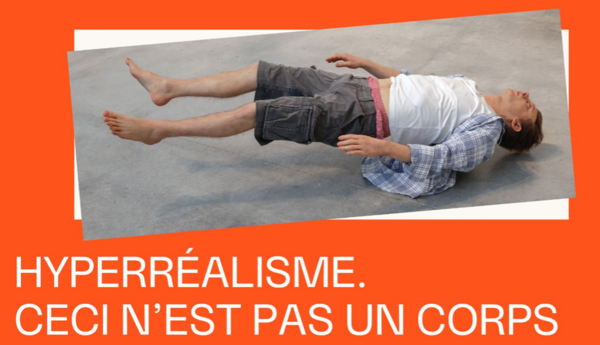
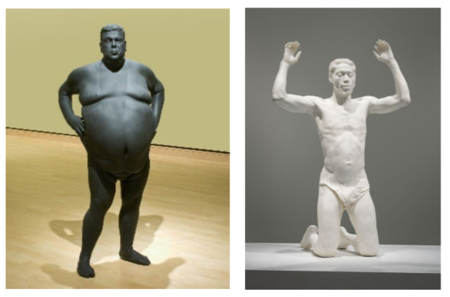
The Musée national des beaux-arts du Québec (MNBAQ) is presenting Hyperrealism. This is not a body from February 26 to October 12, 2026. The first Canadian stop on an international tour that has travelled to 17 cities, from Bilbao to Québec, this major exhibition brings together a representative selection of hyperrealist sculpture from Canada and around the world.

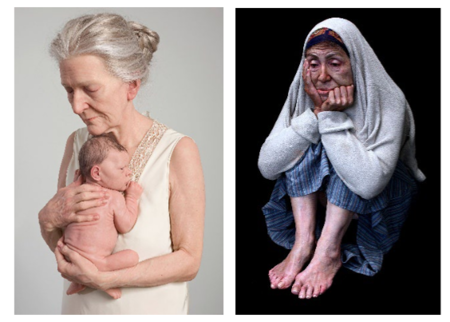
Through some 40 works of breathtaking realism by 35 artists from here and abroad, it traces the evolution of the human figure in sculpture from the 1970s to the present. A break with abstraction, hyperrealism emerged in the United States in the 1960s. Painters and sculptors sought a new form of realism connected to contemporary society. Sometimes drawing on cinematic special effects, they used then-unusual materials such as silicone, polyester resin and fibreglass to reproduce the appearance and textures of the human body in minute detail.

MNBAQ Hyperéalisme
These pioneers and the generations who followed achieved such technical precision that their works seem to emerge from reality itself. Through an original exhibition design, the show brings together sculptures by those pioneers and other renowned artists. The MNBAQ presentation is further enriched by work from Québec and Canadian artists who belong to this artistic movement at the boundary of the real: Alain Benoit, Stanley Février, Louis Fortier, Milutin Gubash, Karine Payette and Mark Prent.
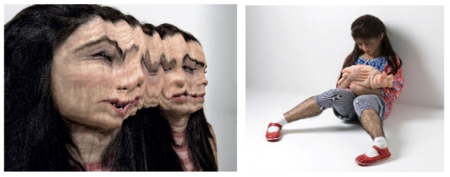
Their works, true mirrors of the human condition, stage the transformations of society and of our relationship with the body over the past 50 years. The artists’ illusionistic methods give physical form to reflections on human experience. Their creations address universal subjects: childhood, old age, solitude, one’s relationship with oneself, the passage of time and death, while taking a critical position on the contemporary world that reaches well beyond the simple challenge of resemblance.

Their three-dimensional works blur the line between art and science and explore the themes of the simulacrum, genetic manipulation and self-awareness. The title echoes René Magritte’s famous painting bearing the words ‘Ceci n’est pas une pipe,’ which questions the relationship between art and reality.

MNBAQ Hyperéalisme

‘A gallery of figures more lifelike than life awaits visitors at the Musée national des beaux-arts du Québec. These works by the greatest names in hyperrealism from here and abroad prompt essential reflection on our relationship with the body, in private and in society. It is a profoundly moving exhibition, an experience on a human scale that will leave no one indifferent,’ says MNBAQ director general Jean-Luc Murray.

‘The exhibition offers a striking view of hyperrealism’s vitality and relevance today. The boundary between the real and the virtual is narrowing just as artificial intelligence undermines our ability to distinguish the genuine from the false. We now consider the meaning of our lives and our humanity from new perspectives. Hyperrealist artists accompany us on this great journey, sometimes pointing toward less-travelled paths,’ adds Caroline Lantagne, MNBAQ exhibition curator and curator of the Québec presentation.

Featuring works by Québec and Canadian artists, the Québec presentation gives pride of place to several pieces from the MNBAQ collection and includes loans from the Musée des beaux-arts du Canada, the Musée d’art contemporain de Montréal, the Musée des beaux-arts de Montréal, Collection Giverny Capital and artist Karine Payette, represented by Galerie Art Mûr.

MNBAQ Hyperéalisme

Presented on the ground floor of Pavillon Pierre Lassonde, the exhibition is arranged in six sections illustrating the broad range of possibilities explored by hyperrealist artists. Each section centres on a formal concept and provides interpretive tools for understanding the works. The selection of sculptures offers an overview of hyperrealist practice and shows that representations of the human body continue to evolve. Along the route, videos reveal some of the artists’ own production techniques and secrets.

Hyperrealism. This is not a body.
At the MNBAQ, Pavillon Pierre Lassonde
179, Grande Allée Ouest, Québec (Qc)
Until October 12, 2026
Schedule and tickets: mnbaq.org
Information: 418 643-2150

By Pierre Perreault

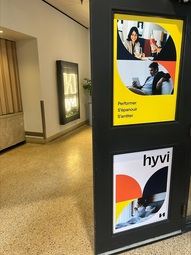
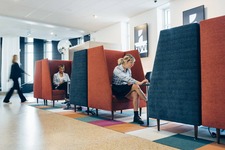
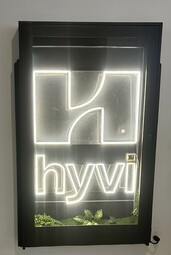
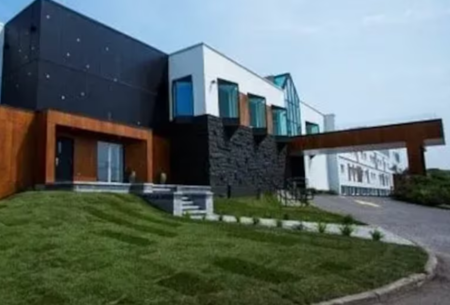
On entering the building for the first time, visitors are surprised to find no conventional reception desk. A large illuminated frame bearing Hôtel Chicoutimi’s emblematic Hyvi logo draws the eye and signals that something different is about to unfold. That is an understatement.

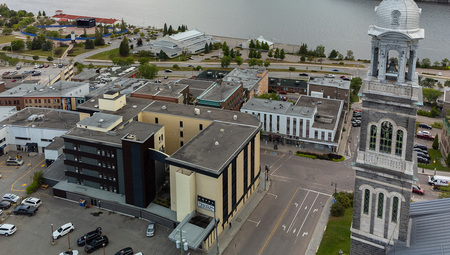
Ideally located in downtown Saguenay, Hôtel Chicoutimi has formed part of the Chicoutimi landscape since 1899 and stands out for a modern, evolving atmosphere in which every detail is designed to enrich the guest experience. The present building, erected after the serious downtown fire of 1912, has undergone various transformations over the years.

Hôtel Chicoutimi Hôtel Chicoutimi  Charles Dionne

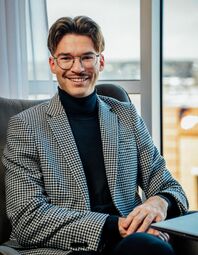
The COVID-19 pandemic and the revolution in working patterns that followed inspired Éric Larouche, owner of Groupe Hôtel Chicoutimi for 30 years, to rethink how the property could meet the emerging needs of workers and businesses, including demand for flexible space and ‘workations,’ explains deputy director Charles Dionne.

The Hyvi concept was created in 2023, its name formed from the French words hybride and vie. The result is a hospitality service for tourists and business travellers, but also for guests wishing to make full use of the possibilities offered by remote work. ‘With Hyvi, we help our guests work effectively in an ergonomic environment while giving them the freedom to enjoy the many facilities and activities devoted to well-being.’ All of this is in the heart of Saguenay’s business district and active urban life.

Hôtel Chicoutimi  Hôtel Chicoutimi Hôtel Chicoutimi

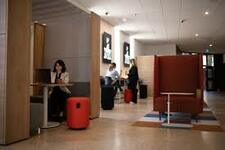
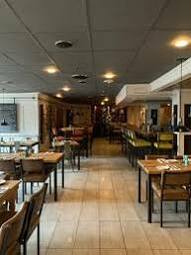
Hôtel Chicoutimi has chosen to deconstruct business hospitality around an original guest experience in which every detail enriches the stay. The difference is apparent from the main lobby: instead of a fixed reception desk, tablet-equipped agents can manage every aspect of a stay or visit. The roughly 30 staff members do not have individual offices; work takes place in public areas or meeting rooms. Small workstations in the lobby also allow reservations and related arrangements to be planned and organized.

The hotel notably uses its own fully automated reservation system, designed specifically for the property and accessible to every agent on duty.

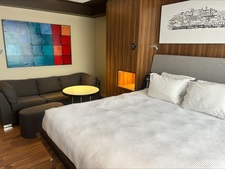
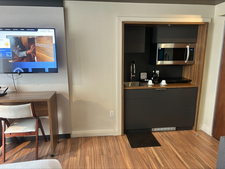
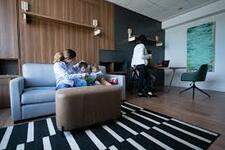
All rooms are modular and adapted to the modern traveller, with areas suited to both relaxation and work and the convenience of a compact integrated kitchen. Combining appearance and function, the spaces are intended to inspire at every moment. Managers say this attentive service makes Hôtel Chicoutimi far more than a destination: it represents a new era of living.

Hôtel Chicoutimi Hôtel Chicoutimi Hôtel Chicoutimi

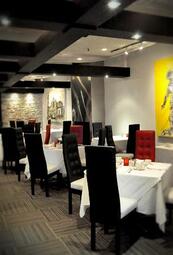
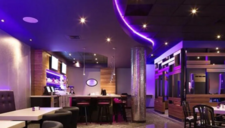
The hotel also has meeting and reception space for as many as 350 people, along with purpose-built coworking areas. Guests can eat throughout the day and evening at three venues. L’INTER is an invitation to culinary discovery, with every dish telling a story. At Rouge Burger Bar, a passion for burgers creates an original dining experience. La Galerie, finally, serves creative, nourishing and sometimes hearty breakfasts.

Hôtel Chicoutimi Hôtel Chicoutimi 

As a corporate citizen, Hôtel Chicoutimi follows a model of development that must not come at the expense of its surroundings or future generations. Its operations are therefore grounded in sustainable and environmentally responsible practices. For the past decade, the hotel has distinguished itself through sustained efforts to promote regional talent and reduce its environmental impact. Its green fitness room, for example, uses treadmills that generate power for various devices. Electric-vehicle charging stations are also available through RL Énergie, a company owned by Éric Larouche.

‘The company’s vision includes the environmental, social, economic, cultural, ethical and territorial dimensions of sustainable development,’ Charles Dionne says. The hotel’s mission is clear: to provide flexible surroundings and services that allow guests to live their daily lives fully and to ‘perform, thrive and pause.’

As an aside, Saguenay’s LGBT+ community has held activities at Hôtel Chicoutimi for many years. The nearby rue Racine area is known as welcoming to the LGBT+ community, with several gay-friendly establishments, suggesting that the neighbourhood has long served as a meeting place.

Hôtel Chicoutimi 

The Hyvi concept has now expanded to two other establishments in the region, with a third to follow soon. Auberge des Îles in Saint-Gédéon, Lac Saint-Jean, and Maison du Vébron in L’Anse-Saint-Jean, Saguenay, have already adapted all their spaces and services to the concept. Construction of a modern new property near the Dolbeau-Mistassini marina in Lac Saint-Jean is expected to be announced in 2026.

Hôtel Chicoutimi is a member of Québec’s first hotel cooperative, Ôrigine artisans hôteliers, which brings together more than 40 carefully selected independent inns and hotels across 15 Québec tourism regions. Members offer a broad range of wellness, culinary, romantic, urban, resort and outdoor experiences.

Hôtel Chicoutimi

Hôtel Chicoutimi Hyvi
hotelchicoutimi.qc.ca
460, Rue Racine Est
Chicoutimi (Québec) G7H 1T7
(418) 549-7111

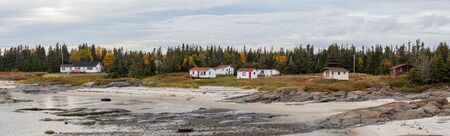
On a first visit, nothing prepares you for the spectacle ahead as you leave Route 138 between Godbout and Baie-Trinité and follow the dozen or so kilometres of narrow, winding Chemin de la Pointe-des-Monts to the site, finally reaching the Saint-Laurent shoreline on Chemin du Vieux Phare.


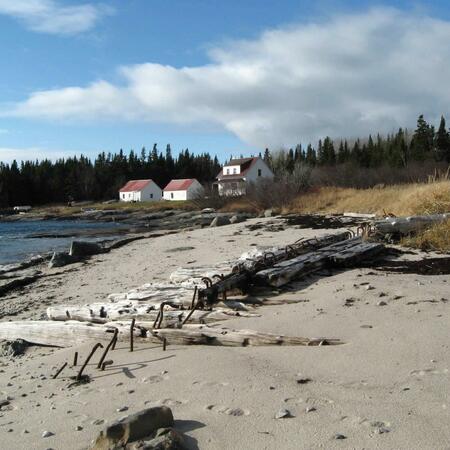
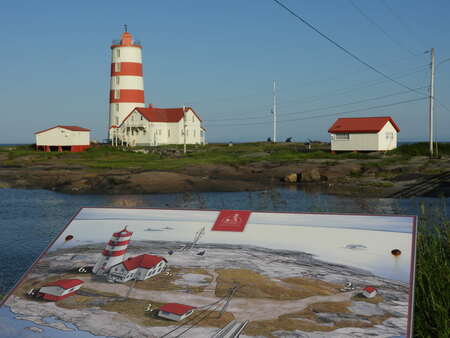
Pointe-des-Monts, now uninhabited, was once a settlement in the municipality of Baie-Trinité, 10 kilometres from the village in the Manicouagan area of the Côte-Nord. The site is home to a lighthouse designated as a historic monument. For mariners, it also marks the beginning of the golfe du Saint-Laurent to the east and the end of the Saint-Laurent estuary, which begins at the tip of île d’Orléans.

Pointe-des-Monts
The lodging and camping business grew out of passion, love at first sight and a touch of madness. The story began with Jean-Louis Frenette. A 1965 graduate in history and biogeography, he taught for many years in the TACH programme (Game and Fisheries Management Techniques), which he helped establish in 1972 and which was offered exclusively at Cégep de Baie-Comeau.


From his first visit to Pointe-des-Monts in 1969, he fell completely in love with the site and thereafter spent every long summer holiday there. After acquiring a large former colonization lot, he patiently developed his small tourism business, constructing or purchasing its buildings one by one until it grew into the 24-building, 500-hectare property it is today.

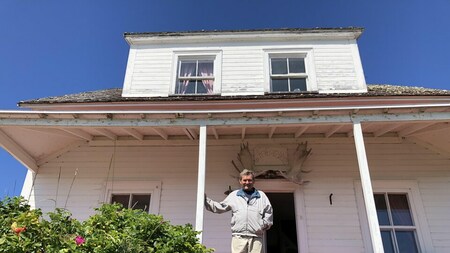
Pointe-des-MontsJean-Louis Frenette, founder. (Photo: Radio-Canada)
Jean-Louis Frenette held the concession for the Pointe-des-Monts lighthouse keeper’s house for 17 years. In 2004, he secured the right to retain the business name “Le Gîte du Phare de Pointe-des-Monts.” Under that name, he operated, for a time, a restaurant (Le Gîte de la Chapelle), accommodation (Le Gîte du Phare de Pointe-des-Monts), an Indigenous heritage site (Le sentier de Charlotte et le Campement Ashini) and 17 holiday cottages scattered along 1.5 kilometres of private shoreline.

Pointe-des-Monts Pointe-des-Monts
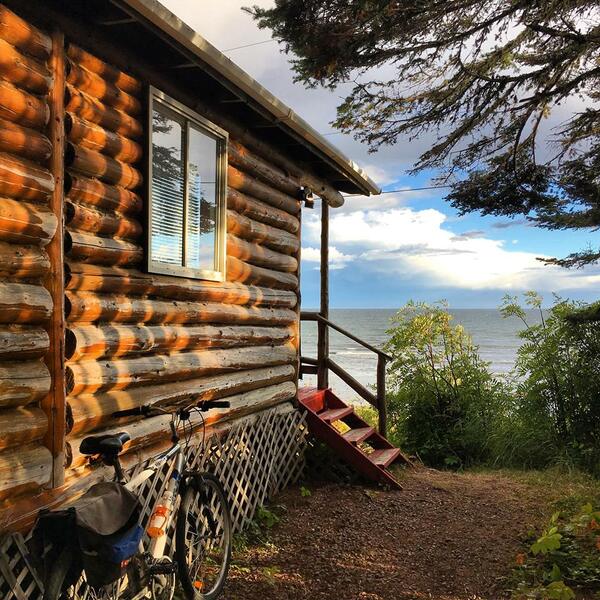
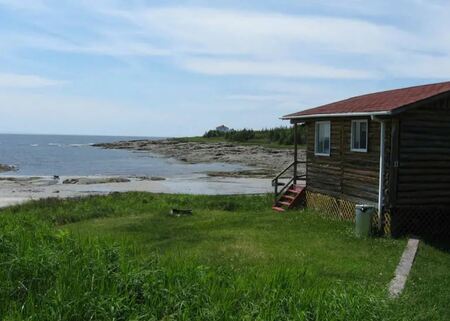
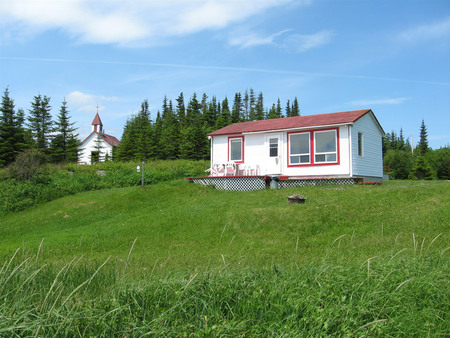
These rental cottages are available in various configurations for two to six people. Each has a small, simple, rustic interior with a double bed, table and chairs, running water (non-potable), electricity, and a toilet and shower. The kitchenette includes a mini-fridge, two electric burners, dishes, utensils, pots, a toaster, a dish towel, a sponge, dish soap and toilet paper. All have a balcony with a view and access to the river in a peaceful, wild setting.


Please note that visitors must bring their own bedding (sheets, pillows, blankets, towels), drinking water and food. There is no meal service, no Wi-Fi, and phone coverage varies depending on location and service provider.

Pointe-des-Monts Pointe-des-Monts
For wild camping enthusiasts, several unserviced sites are available for pitching a tent or parking an RV or trailer.


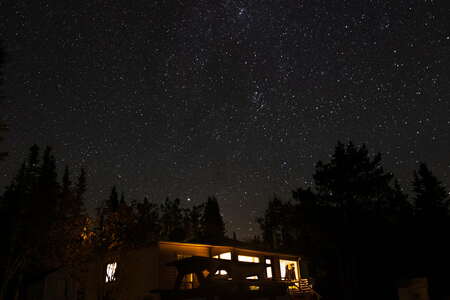
The crowning glory of the site comes entirely free of charge: in fine weather, nightfall brings a canopy of stars stretching in every direction. People from large cities generally cannot enjoy such a spectacle. Awe is guaranteed, and beneath a moonless sky it is even more extraordinary. Then there are the whales, which can regularly be seen by day through much of the summer and even into autumn, playing and feeding directly in front of the cottages.

Pointe-des-Monts
The business has since shortened its name to “Le Gîte de Pointe-des-Monts,” and Jean-Louis Frenette now shares its management with his family to ensure that the dream he created endures. His grandson, Raphaël Laberge, and his team handle guest reception and day-to-day maintenance. The reception pavilion, beside the old Indigenous chapel, also serves as an art centre and gift shop offering authentic works to visitors.

Pointe-des-Monts

And do not miss the lighthouse and its museum a little farther along the same road. Built in 1830 and designated a historic monument since 1965, the lighthouse is a true testament to a cultural landscape in harmony with nature. The exceptional site features a multimedia exhibition on its history, the daily lives of lighthouse keepers, shipwrecks and life around Pointe-des-Monts.

Gîte de Pointe-des-Monts
pointe-des-monts.ca
1937, Chemin du Vieux Phare
Baie-Trinité, QC G0H1A0
866-369-4083

By Pierre Perreault

-----------------------

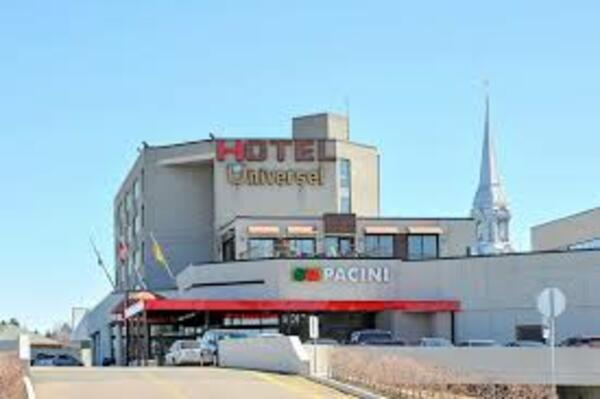
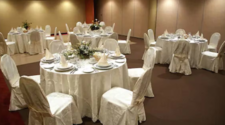
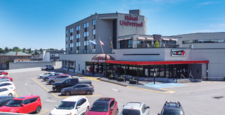
Located in Complexe Jacques-Gagnon, constructed in the late 1970s and substantially upgraded in recent years, Hôtel Universel d’Alma is a multipurpose property unique in the region. In addition to the hotel, the building contains several shops, a 16-room convention centre able to host as many as 500 people, a cinema and two restaurants.

This 211,000-square-foot business complex in the heart of downtown also leases office space. In October 2025, the hotel introduced a new brand identity reflecting the property’s evolution and modernization. It forms part of a broader programme of transformation and repositioning intended to give business and leisure guests a renewed experience that meets their expectations in comfortable, refined surroundings.

Universel Alma

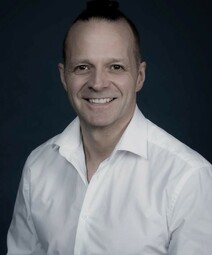
In an interview, Maxime Robitaille, general manager of both the complex and the hotel, explains that a team of about 12 people supports his administrative and management role. He has held the position since 2019 and says that hotel guests and users of the complex’s many other services are a central priority for both him and the owners.

Universel Alma General Manager Maxime Robitaille
‘This role requires availability 24 hours a day, seven days a week, because a situation can arise at any time and demand a rapid response,’ says Robitaille, an Alma native with about 12 years of business-management experience, including a period at SDC d’Alma. As general manager, however, hotel accommodation remains his primary focus.

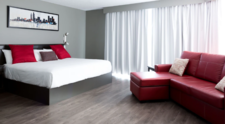
The property has 100 rooms designed for maximum comfort. A new 27-room section added in 2025 introduces a distinctive contemporary style inspired by current hotel trends and intended to evoke calm and relaxation. A total of $3.5 million has been invested over the past two years. 

The quality of the welcome and the hotel facilities are priorities for Robitaille. Human-resources management is another major concern: the complex employs as many as 130 people. Meetings, conventions, banquets and other events also account for a substantial share of year-round activity and require efficient organization to meet clients’ needs.

Universel Alma Universel Alma Universel Alma

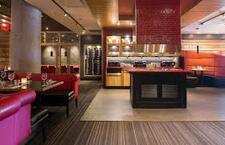
In addition to Pacini restaurant and Bar l’Apéro, which are owned by the hotel’s shareholders, the complex provides catering for conventions and banquets.

Universel Alma Universel Alma Universel Alma

The hotel welcomes a substantial business clientele, participants in sports tournaments and their families, many leisure travellers in summer, and large numbers of snowmobilers in winter. Snowmobile guests benefit from direct access by a local trail, secure storage compounds and packages that include Centre de santé Elixir et Spa. Véloroute des Bleuets also draws many cycling enthusiasts to the property.

Travelodge Alma, which belongs to the same owners, is located in the heart of downtown Alma and provides an ideal location for getting around. Its 30 very spacious rooms have been completely renovated and offer a high level of comfort.

Universel Alma

Hôtel Universel Alma
hoteluniversel.com
1000, boulevard des Cascades
Alma (Québec) G8B 3G4
(418) 668-5261

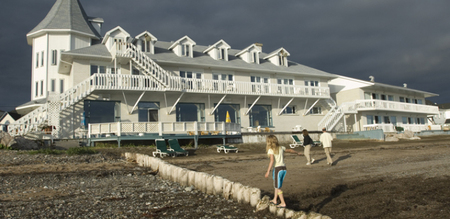
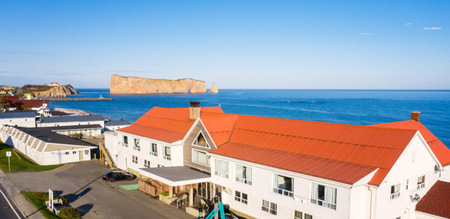
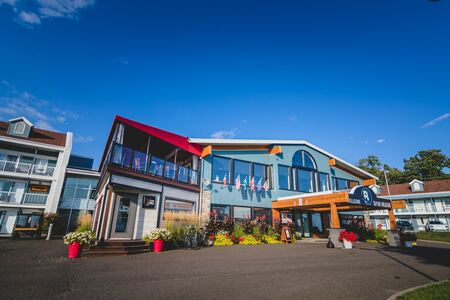
Although the Rioux family of Matane created the Riôtel brand several years after entering the hotel business, its Gaspésie portfolio now comprises five upscale properties: two in Matane and one each in Percé, Bonaventure and Carleton-sur-Mer. The hotels also offer quality dining, along with convention and meeting centres in Matane and Carleton. As an added benefit, every property is on the waterfront with an incomparable view.

Founder Bertrand Rioux was a prominent real-estate developer and merchant in Matane and the surrounding region from the 1950s onward. The story began in Murdochville with a furniture store, followed by a second in Matane in 1961, when the family settled there. This was only the prelude to Rioux’s long and successful career in construction, real estate and hospitality, among other fields. He even made a notable foray into music retail and radio in the 1970s.

His first real experience in the hotel business came in Florida in 1978 and 1979. He had moved his family there in 1976 so that everyone could learn English, and then purchased two motels, the Flamingo and the Vagabond, in Treasure Island. His wife, Mariette, and eldest son, François, who was still a student, took charge of the two properties. The group sold them a few years ago.

As its Québec operations continued to grow, Groupe Rioux and its partners acquired Auberge des Gouverneurs in Matane in 1984. The following year, François returned from Florida with a university degree in accounting and became the group’s controller. Further hotel projects followed, including renovations to the Matane property and the addition of a convention centre, then the acquisition of Monaco des Monts in Sainte-Anne-des-Monts.

In 1992, Groupe Rioux became sole owner of the hotel division and set out to expand it across the region. Château Blanc de Bonaventure and Auberge de la Montagne de Percé joined the portfolio in 1994. In 1995, a new pavilion was added to Hôtel de Matane to meet growing demand for accommodation.

 Riotel_divers Riotel_divers

Faced with this rapid expansion and wishing to unify the service offering across their hotels, Bertrand and François Rioux created the RIÔTEL brand and launched a major five-year renovation programme covering every property. In 2003, Percé’s largest hotel complex, at the foot of Côte Surprise, became Riôtel Percé. From 2013 to 2019, the group carried out major renovations in Matane, Percé and Bonaventure to move those hotels upmarket. The portfolio was completed in 2024 with the acquisition of Hostellerie Baie-Bleue in Carleton-sur-Mer.

Riotel_divers Riotel_divers

As Riôtel celebrated its 28th anniversary in 2025, vice-president of sales and marketing Lucie Dumas (pictured) said the company had not finished growing. Management’s development plan already includes at least one new hotel in Rimouski, a construction project discussed for a few years that is expected to proceed in 2026–2027 if all goes well. Riôtel is also working on a hotel project in Québec, although no firm timetable has yet been set.

Riotel_divers

Alongside François, who has served as group president since his father’s death in 2005, two third-generation family members hold positions there. Marie-Frédérik, a McGill graduate in administration, heads Riôtel Matane, while her brother Charles-Alexandre, who studied civil engineering, entrepreneurship and innovation at the University of Notre-Dame in the United States, serves as director of strategy and operations.

The five Riôtel hotels in Gaspésie employ as many as 300 people in peak season. The company’s hotel division also gives approximately $100,000 a year to social and humanitarian causes, with particular emphasis on education, the environment, health and entrepreneurship.

The Bonaventure chapter ends in October 2025

As the Rimouski project appears increasingly close to being announced for early 2026, RIÔTEL management decided to end operations at Riôtel Bonaventure permanently in mid-October 2025. The board said the decision formed part of a strategic realignment intended to focus the group’s development on its resort-style hotels in Matane, Percé and Carleton, which offer complementary amenities and substantial convention and meeting facilities.

Employees affected by the decision are expected to be reassigned to the other hotels for the 2026 peak season, with accommodation provided during that period, RIÔTEL management said.

At present, nothing has been announced regarding the future of the Bonaventure establishment, which had been an established presence since 1906 and which RIÔTEL had operated since 1994.

Riotel_divers
RIÔTEL
riotel.com
250, avenue du Phare Est
Matane (Québec) G4W 3N4
1 888 427 7374

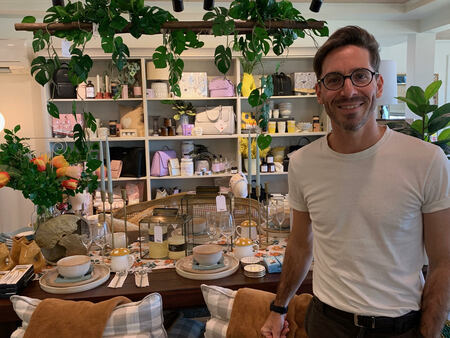
In its purest form, strolling is a creative act that engages both body and mind. While the idle onlooker merely passes by without touching or being touched, the flâneur walks in a state of constant awareness. This, more or less, is the origin of the name of this decor and gift shop in Caraquet, Acadie.


The shop’s creator and manager, Jérôme Godin, is originally from Paquetville, has worked as an interior designer for about 10 years and is also a trained cabinetmaker. He wanted to create a place where customers would enjoy lingering and taking their time to choose what they wanted. With the encouragement and support of the owner of the neighbouring Home Hardware, where he had worked for a few years as a display designer, he and his partner opened their own business in May 2021.

Flânerie
La Flânerie serves, in a sense, as the home-décor section of the Home Hardware, which needed to reclaim that space for appliance sales. Given all the necessary freedom and trust, Jérôme was able to arrange the shop according to his own concept, tastes and imagination, offering customers original and popular products and ideas.

Flânerie Flânerie Flânerie 
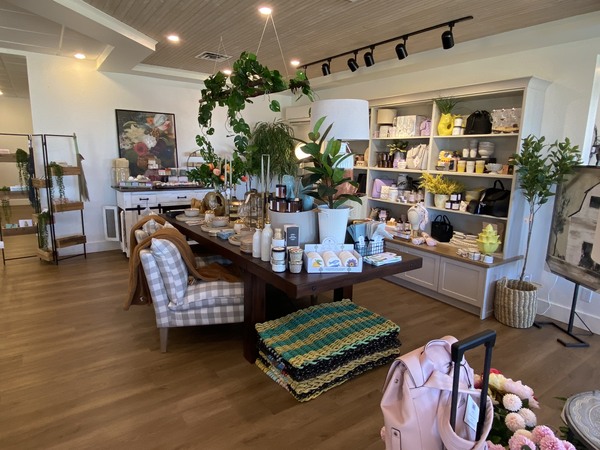
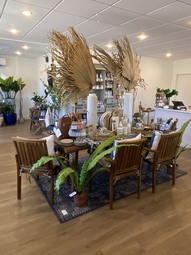
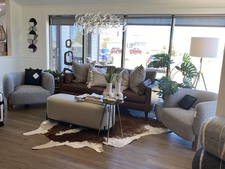
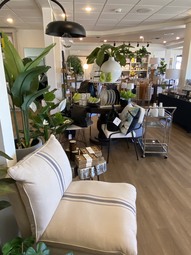
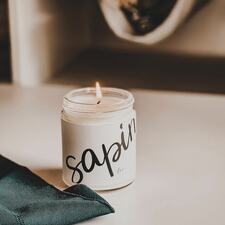
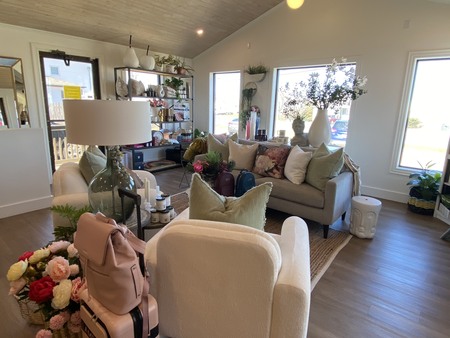
The shop carries a wide range of items for indoor and outdoor décor: soaps, candles, towels and aprons, tableware, jewellery by local artisans, canvases and wall prints, travel bags, lamps, accent furniture, cushions, fashion accessories, original gifts and much more. Fusion Mineral Paint is also available in a variety of colours for refinishing furniture and older objects. Fans of original Christmas decorations will find plenty to choose from.

 Flânerie Flânerie Flânerie
Jérôme constantly works to find and offer exclusive products by seeking out new suppliers. In short, La Flânerie – Décor et Art de vivre is unmatched in Caraquet.

 
Also, Jérôme and his partner Cédric Moreau run another store in Percé, in Gaspésie. Côté Mer shares premises with a café in the centre of the village and offers a range of trendy decor items, gifts and souvenirs.

Flânerie

La Flânerie - Décor et Art de vivre
36, boul. St-Pierre est
Caraquet, NB
506 727-3132
facebook.com/laflaneriecaraquet

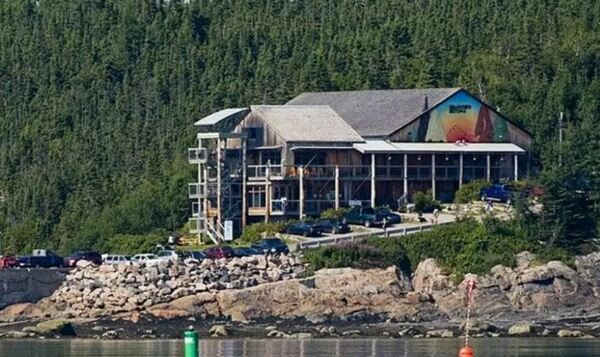
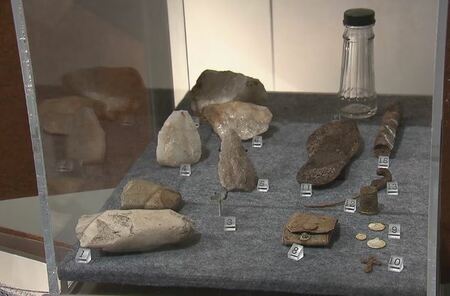
With a panoramic view of the tidal flats and Pointe Sauvage, Centre Archéo Topo in Les Bergeronnes enjoys an idyllic setting. It offers an encounter with the archaeology and history of the Côte-Nord.

In the 1950s, Louis Gagnon, a hermit from Les Bergeronnes known as Ti-Louis, found objects and sent them to archaeologists. His passion proved contagious. The region’s exceptional heritage came to light.

Archéo Topo
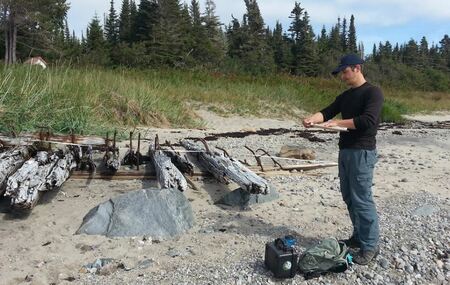
A few decades later, 1,500 sites were uncovered along the 1,300-kilometre stretch from Tadoussac to Blanc-Sablon. Most are Amerindian sites, and some date back 8,000 years.

How did these peoples live here? Why did they settle in the region? Who were these travellers, traders and explorers? How did they use plants such as pumpkins, beans and serviceberries?

Archéo Topo
The centre’s new exhibition, Tours de force, presents archaeology through a human lens, drawing on 25 of the most representative sites in Haute-Côte-Nord, Moyenne-Côte-Nord and Basse-Côte-Nord. In Les Bergeronnes, Anse-à-la-Cave revealed a Basque presence; Cap-de-Bon-Désir holds 8,125 years of Amerindian history; and the Lavoie site records more than 5,000 years. Pépechipissinagan, with its fragile rock paintings, is kept top secret.

In the 19th century, 400 people lived around a foundry at the mouth of the Moisie. Near Blanc-Sablon, Basques settled at Middle Bay to hunt whales. It is archaeology brought to life through avant-garde, playful exhibition design.

Archéo Topo

Archéo Topo
archeotopo.com

(581) 475-0387
498, Rue de la Mer
Grandes-Bergeronnes, QC G0T 1G0

In regional Québec French, bonyennes and the Colocs’ bonyeu were already familiar expressions, but bonyeuses is something rather special. A bonyeuse is a playful, charismatic and lively person, valued for their presence, humour and personality.


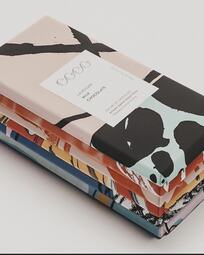
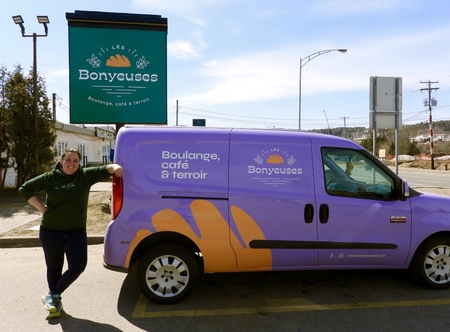
Be that as it may, the word is now the name of a Baie-Saint-Paul bakery that has steadily won over customers since opening in 2022. It offers fresh bread, viennoiseries, house-made pizzas, speciality coffees, a gourmet food counter and local products.

Bonyeuses
At its heart, Les Bonyeuses, Boulange, café & terroir is the story of two dynamic and motivated women, Meggie and Emma. They joined forces in 2018 to take over the former À Chacun Son Pain bakeries in Baie-Saint-Paul and Beaupré. Four years later, they acquired the entire company and gave it a new identity. “It is a shared vision of cultivating happiness through freedom of expression and creativity,” explains general manager Meggie Tremblay.

Their path, however, was not predetermined. When she was younger, Meggie dreamed of opening a bar with her family. She and Emma, her business and life partner, gained experience in a range of fields before finding their way into baking.

Bonyeuses
Les Bonyeuses see Charlevoix’s culinary terroir as an inexhaustible source of expertise, and they proudly showcase local producers. The bakery takes pride in offering fresh breads made with ingredients from environmentally responsible agriculture, prepared by expert hands with love and enjoyment. To make it all happen, the company relies on a team of 28 people who carry out the various daily tasks from Tuesday to Sunday.

Bonyeuses
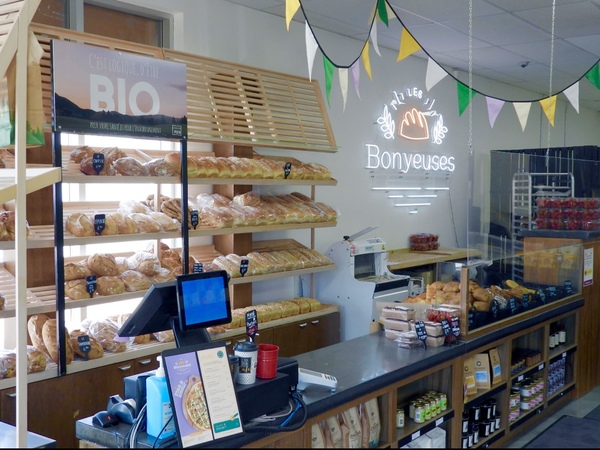
This busy little hive is a sight to behold in the spacious premises on boulevard Mgr de Laval, at the heart of a lively commercial district in Baie-Saint-Paul. Shortly before lunchtime, customers arrive for sandwiches or to collect orders just as the breakfast crowd is leaving. Behind the counter, the prominently visible oven fills with pizzas and other dishes at a frantic pace.

Terroir products, viennoiseries, brioches, croissants, fine pastries and a variety of breads made from 100% Québec flour fill the shelves and counters, ready to be enjoyed on the spot or taken away.

There is no denying that Les Bonyeuses have created a concept that pleases customers. They are living up well to their mission of delighting people in the region with freshness, variety and pleasure.

Unfortunately, the entrepreneurs had to close the Beaupré branch in 2024 and put it up for sale. The acquisition agreement, whose term has now ended, required the business to remain in operation for three years after the purchase. They now wish to devote themselves entirely to their Baie-Saint-Paul location.

Les Bonyeuses
lesbonyeuses.ca
1006, boul. Mgr de Laval,
Baie-Saint-Paul, QC G3Z 2W2


RSS Feed

Subscribe

Categories

Tags

Latest Posts

Archives