Travel log

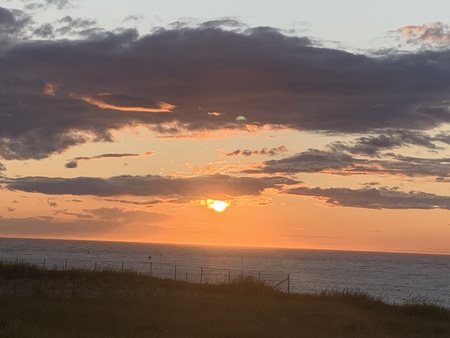
coucher du soleil


By Gaëtan Vaudry

Since 2017, Microbrewery La Mouche has been turning heads with its beers, almost exclusively crafted from Quebecois ingredients, without any additives.

Right off the bat, Kelly Mansbridge, the head of sales and marketing at the young Natashquan microbrewery, shared her insights on a slight slump the Quebec microbrewing industry had been experiencing for several months, as reported by some media in November: "It's certainly not easy," she candidly noted. "With many microbreweries in Quebec and a vast range of products available to enthusiasts, the market is becoming increasingly competitive."
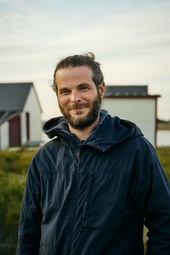
La Mouche4

Natashquan's Own Wild Yeast

Gabriel Turner, the artist and craftsman behind the success of La Mouche's beers, originally from Montreal and adopted by Natashquan, founded the microbrewery in 2017. He brewed his very first beer at the Microbrewery St-Pancrace in Baie-Comeau, before moving to Natashquan three years later. "Gabriel loves Natashquan for its wild nature, its unfenced lands, and the social life of a welcoming community," Kelly proudly mentioned. "Passionate about this beautiful region of the North Shore, Gabriel aimed to create jobs in the area. He wanted to produce a beer for the local people." After extensive research and development, Gabriel achieved his goal, brewing beers with Quebec hops and grains, and even cultivating his own wild yeast in Natashquan!

I had the opportunity to taste only one product from Microbrewery La Mouche: Mlle Manon, a gently wheat beer with little bitterness, inspired by German hefeweizens. This beer's effervescence is lively, almost sharp. In its large bottle, one finds a hazy, foamy, and sparkling beer with a fresh and pleasant grainy flavor. Mlle Manon is remarkably refreshing, which is exactly what I look for in a beer!

Mikushkuau: The Microbrewery's New Beer

Microbrewery La Mouche offers more than 16 varieties of beer, from Bomber Jaune to Mickey Finn, including Cosse Boom, Pelletier, Pirate, Muddler, Pompier, Green Butt, and Colibri, to name just a few. Did you know that each beer name refers to a fly used in fly fishing? For instance, the microbrewery recently announced its new beer, Mikushkuau ("The sky is red" in Innu language), inspired by a fishing fly specially created for the company by Audrey Ringuette, founder of the North Shore enterprise Shakutaimu. Ms. Ringuette offers introductory fly fishing courses for everyone.

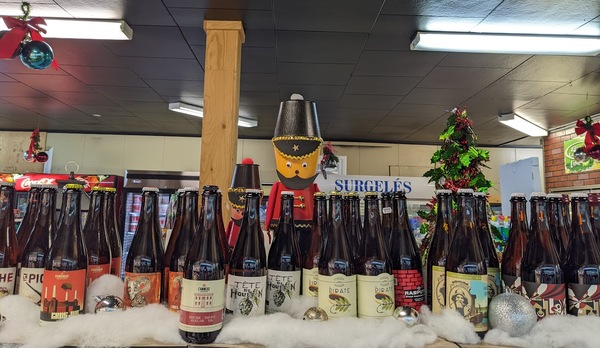
La Mouche's beers are available at over 150 locations in Quebec, especially in establishments specializing in microbrewery beers (see the list here).

Microbrewery La Mouche
33, Chemin de l'Aéroport
Natashquan (Québec)
418 962-6003
microbrasserielamouche.com
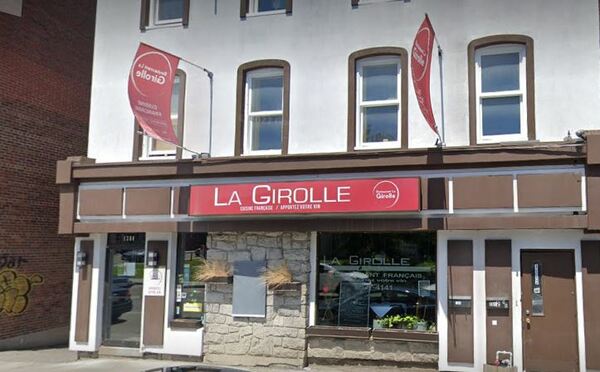
Aficionados are well-aware that Cantharellus cibarius, known in French as girolle or Chanterelle commune, is a species of basidiomycete fungi belonging to the Cantharellaceae family. This mushroom, widespread across the Northern Hemisphere, is esteemed for its culinary excellence, ranking among the most renowned and sought-after in its category.

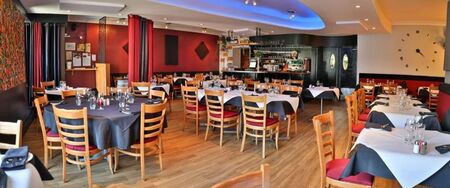
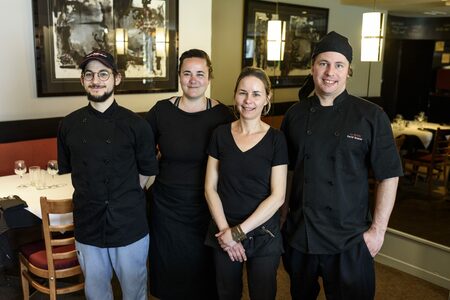
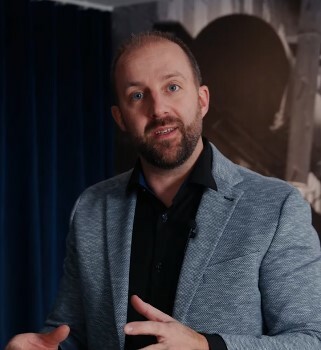
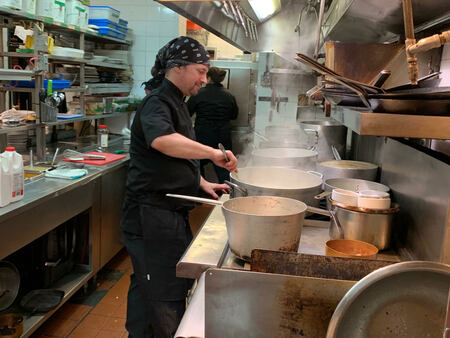
By analogy, the same can be said for the French "bring your own wine" restaurant La Girolle, nestled in Quebec's Saint-Sacrement neighborhood, which has been a well-known and sought-after destination for 23 years. Owned by Chef David Grenier (photo) since 2018, the establishment has preserved the spirit and values of its founders while naturally evolving its menu over the years and seasons.

La Girolle

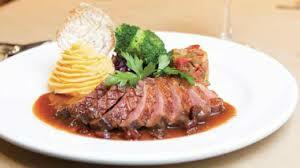
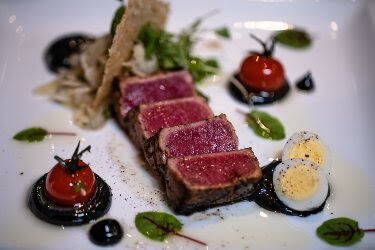
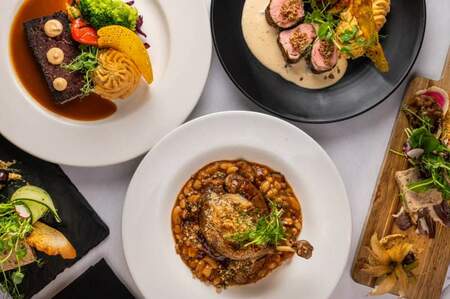
Let's highlight some of the famous dishes available. Starters include: Deluxe Charcuterie Plate, Escargot Pastry in Cheese Sauce, Flavors of L'ile d'Orléans, Bison Carpaccio with Truffle Emulsion. Main courses particularly appreciated are: Scallop and Shrimp Risotto, Grilled Lamb Loin with Spanish Sauce, Duck Breast with Port and Serviceberry, Braised Sweetbreads à la Forestière, Land and Sea / Black Pudding with Spices, Deer in Mushroom Crust with Périgord Sauce, Salmon Pavé with Mango Salsa, Chef's Style Beef Fillet Mignon, Pork Tenderloin with Cheddar Fondue and Balsamic.

La Girolle La Girolle

Grenier, before acquiring the restaurant, had been actively involved in various kitchen roles, from dishwasher to cook, starting at the age of 18. Despite not attending prestigious culinary schools or holding renowned degrees in hospitality, his merit includes stints at famed establishments during travels in Australia and around the world, where he honed and developed his culinary skills.

Alongside the previous owners of La Girolle, he has cultivated the art of dining based on dishes that continue to contribute to the place's fame and draw a loyal clientele, in addition to developing an entirely new menu. Since Grenier took over, there have been no major changes to the venue: the carpet was removed, and some minor renovations were made. His motivation lies in maintaining consistent quality in the cuisine, always in line with market availability and seasonally affordable products.

La Girolle 

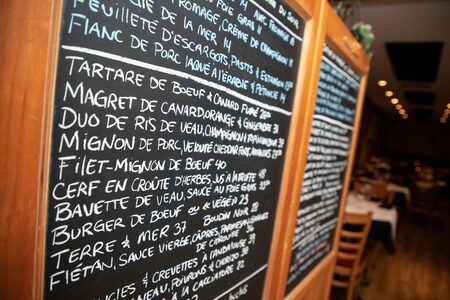
In addition to the regular menu displayed on large wheeled blackboards, which changes with the seasons, one can always order frozen dishes for takeout, offering meals distinct from the regular menu and complementing the dining room offerings. This product, even post the 2000-2001 pandemic, continues to enjoy success. They also offer various takeout and reheat dishes (soups, salads, charcuteries, sweetbreads, black pudding, pork tenderloin, for example).

La Girolle

Indeed, La Girolle remains one of the rare "bring your own wine" (or beer) restaurants in Quebec City, a concept David Grenier assures will not change. This format is highly appreciated six evenings and three afternoons each week, from August to June. Its location outside tourist districts allows a month-long July vacation for the team of approximately 25 employees.

La Girolle

La Girolle can accommodate up to 140 guests in the evening, from Tuesday to Sunday, with 106 seats spread across two distinct sections. Reservations are recommended, especially from Friday to Sunday. Workers and residents of the neighborhood frequent it for lunch from Wednesday to Friday.

For history enthusiasts, the establishment Les Prés had been located here since 1990. La Girolle has been operating at this address since 2000.

La Girolle

Restaurant La Girolle
lagirolle.ca
1384, Chemin Sainte-Foy
Québec, QC, G1S 2N6
(418) 527-4141

Patrick Nisot moved to Québec with his parents from Belgium in 1986. He started out studying agronomy at Université Laval, thinking it covered everything about food, what people grow, how they grow it, and what ends up on their plates. But baking was always on his mind.

Twenty-five years later, his four La Boîte à Pain bakeries in Québec employ 150 people.

La Boîte à pain 2026 La Boîte à pain 2026

The idea really took shape when he was 26, working on a grain farm in Saskatchewan. That’s when he decided he wanted to run his own business. Back in Québec, he spent the summer figuring out his next move. Baking had always been his dream, ever since he was a kid visiting his grandparents’ bakery in a small French village, where they made an incredible baguette. He could still picture himself sliding loaves into the oven.

With help from employment insurance, he took a bakery course in Montréal-Nord to get the skills he needed. After that, he worked at a bakery on rue Cartier in Québec, soaking up everything he could about the trade.

When Patrick tried to open his own bakery in 1999, banks turned him down. He’d spent six months putting together a solid business plan and even got it approved by the CLD de Québec. But it was the Fonds d’emprunt Québec that finally gave him a chance, lending him $15,000 to get started. The organization helps local entrepreneurs who can’t get traditional financing.

Then, on October 19, 1999, at 3:30 a.m., after two years of planning, training, renovations, and test runs, Patrick turned on the mixer at La Boîte à Pain. The space was on rue Saint-Joseph in Saint-Roch. He started with a white dough made with poolish , 25 kilograms of it, shaped into 20 baguettes, 10 Belgian loaves, 10 white squares, 10 round loaves, and a few ficelles.

The mixer had been running for three days straight, and the oven was already hot. The first test loaves went to curious neighbors who’d gathered outside. The bakery door was still covered in brown paper, waiting for the official opening, but Patrick had to let people in, the place was sweltering without any ventilation. They handed out bread fresh from the oven. It was the best way to see if customers would like it. They did.

When they finally opened for business, they sold 15 baguettes a day in the first week. After that, sales doubled every year. By 2002, they had about 20 employees at just one location.

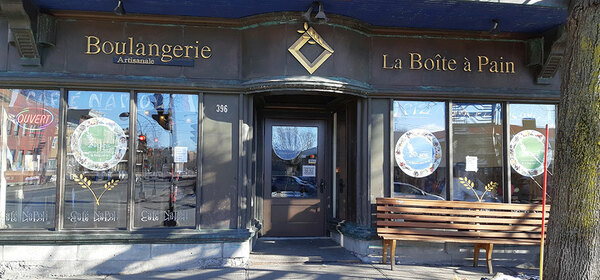
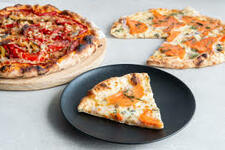
In the spring of 2007, Patrick came back from Naples, Italy, with a new idea: Neapolitan pizza. At the time, no one in Québec was making it. The problem? You need an oven that gets much hotter than a bread oven. He found one in Lévis, tucked away in a storage building. A year later, on April 1, 2008, La Boîte à Pain/Café Napoli opened in Limoilou, built around that oven.

La Boîte à pain 2026 La Boîte à pain 2026

The same setup opened in Sainte-Foy in 2015 and at the Grand Marché de Québec in 2019. The Grand Marché location only sells products, while the other two are both bakeries and pizzerias. Meanwhile, the original La Boîte à Pain moved to rue du Parvis in Saint-Roch, just a short walk from where it all started.

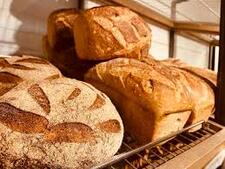
Since 2014, they’ve also had a production center where they make about 40 kinds of artisanal bread. Back in 1999, they mostly sold white, wheat, and rye bread, baguettes, croissants, chocolatines, and brioches. Now, they distribute around 3,000 croissants and 10,000 viennoiseries to their four locations every week. Over 25 years, Patrick has seen the world of bread and pastries change alongside his team of bakers and artisans.

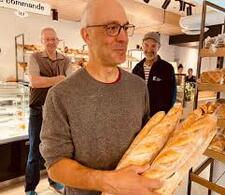
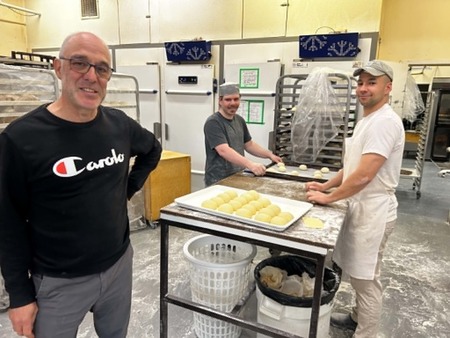
La Boîte à pain 2026 Patrick Nisot with employees from the production centre

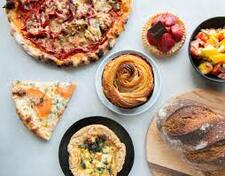
Today, La Boîte à Pain offers 40 types of bread, about 20 Neapolitan-style pizzas, gourmet sandwiches made fresh daily, a dozen kinds of viennoiseries, pastries in all sizes, and market products tailored to what customers want. Everything is made with top-quality flour and fresh ingredients from trusted local suppliers. For Patrick, there’s no room for compromise when it comes to quality.

He’s still the one calling the shots, but in 2024, he brought in a general manager, Jean-François Gagné, to handle day-to-day operations and production. Jean-François is set to become a shareholder, and Patrick hints that new projects are in the works, maybe even with partners. But in the spring of 2026, he’s keeping the details under wraps.

La Boîte à pain 2026

La Boîte à pain
boiteapain.com
Saint-Roch
432 rue du Parvis, Québec
418 647-3666

Sainte-Foy
2836, chemin Sainte-Foy, Québec
418 914-1133

Café Napoli (Limoilou)
396, 3e Avenue, Québec
418 977-7571

Grand Marché de Québec
250, boulevard Wilfrid-Hamel, Québec
418 692-2517 ext. 105

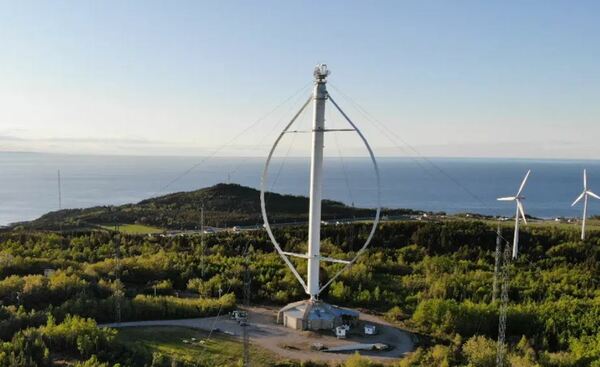
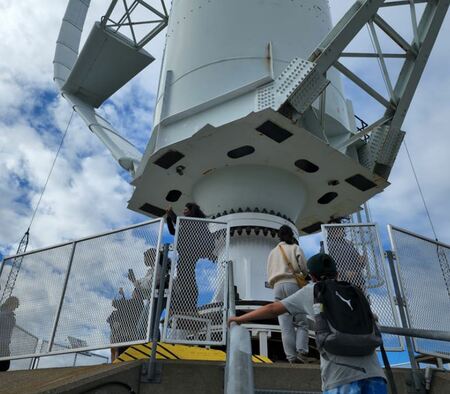
In Greek mythology, he is the master and regulator of the winds. In a vast cavern, Aeolus keeps the winds and noisy storms chained and imprisoned, striving to escape. In Cap-Chat, Gaspésie, since 1994, people have been visiting the great Aeolus, one of the world's largest vertical-axis wind turbines.

Projet Éole Projet Éole
In 2019, two Gaspésie enthusiasts, Benjamin Leduc and Benoit Bénéteau, acquired the vertical-axis wind turbine of Cap-Chat. A new young and dynamic management team is in place, bringing together diverse experiences. The ambitions of these promoters are significant for this project, which was nearly abandoned at one time, but is now undergoing complete revaluation and transformation. "Former wind research laboratory becomes a laboratory on the environment and renewable energy," explain its co-owners.


"I see the site as a unique industrial heritage in the world," Benjamin Leduc declared in an interview with Radio-Canada shortly after the acquisition. The site is intended for tourist purposes and presents the project as a monument dedicated to Quebec's technological heritage and is also an interpretation center on wind energy. The artistic and educational aspects around the theme of wind energy, omnipresent all around, are also being developed.

"Our concept is a bit like a research project of a research project," he explains, to demonstrate the unique and fascinating aspect of their commitment.

Projet Éole
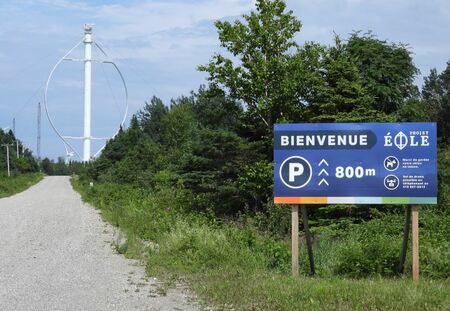
Located in the middle of an important wind farm in the region that adorns the plateaus at some distance from route 132 along the Saint Lawrence estuary, Éole is a relic from the beginnings of renewable energy research in Quebec. The 110-meter-high giant was an important step in the development of wind power. Anyone traveling in the area is surprised by the immensity of this large vertical ellipse that overlooks the landscape.


Built in the mid-1980s, Éole was decommissioned since 1993, following an unexpected strong wind that damaged the main bearing of the device, probably also due to the enormous weight of this structure. The power station was not in operation long enough to transition from experimental mode to the status of a modern electric power plant. The project launched by Hydro-Québec pooled resources from the National Research Council Canada (NRCC) and the Quebec Electricity Research Institute (IREQ) to develop these technologies in North America.

It is also important to understand that this experimental wind turbine, entirely made of steel, was erected at a time when the composite materials that characterize the blades of today's wind turbines were not yet available.

 Projet Éole Projet Éole 
The two partners and co-owners wish to invest more in modernizing the tourist site. They see a lot of potential. In addition to knowledge transmission, they propose discovering the Éole site through various initiatives and playful activities. The site is intended to be a leading attraction for Gaspésie. "A place of wonder and discoveries," adds Benjamin Leduc. Beyond the technological and scientific aspect, the Éole Project also wants to capitalize on the growing interest in self-production of electric energy through small wind turbines. It will offer training and workshops for those interested in getting involved.


The visit to the Éole Project includes:
- Discovering the experimental energy plant built in the 80s.
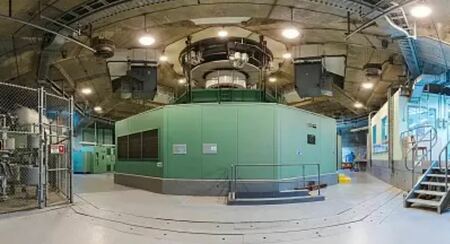
- Entering the generator and seeing all its vestiges to understand its unique design.
- Explanatory panels on the history of Éole, wind power development, and current industry facts, along with a guide to answer all your questions.
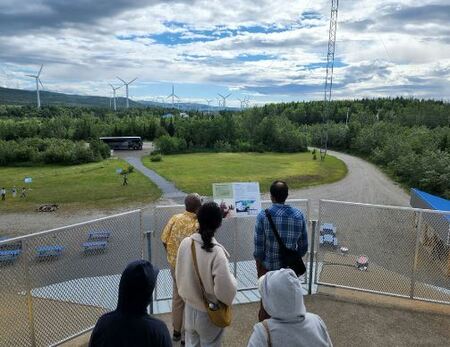
- A panoramic viewpoint with a 360 view to admire the picturesque landscape of the Nordais wind park (first in Quebec) and its surroundings (Cap-Chat, the sea, and the Chic-Chocs mountains), as well as a closer view of the tower.

Projet Éole  Projet Éole

A Foundation to Ensure Its Future
Finally, let us mention the creation of the Fondation Éole, a new development tool for the project. It is an organization focused on the education of renewable energies and sustainable development. It will develop in a way to popularize and share new developments related to these current topics, all within a playful framework and a purpose of integration into community and cooperative initiatives.


Conferences, educational workshops, physical and digital documentation, research and development in energy, and community involvement are the vectors of progress for the foundation. It will provide tools for exporting and disseminating information, content, and vision beyond the physical boundaries of the site. Both will evolve in synergistic development in the coming years. The foundation will synthesize the information present on the site for national dissemination.

An Attraction for the Whole Family

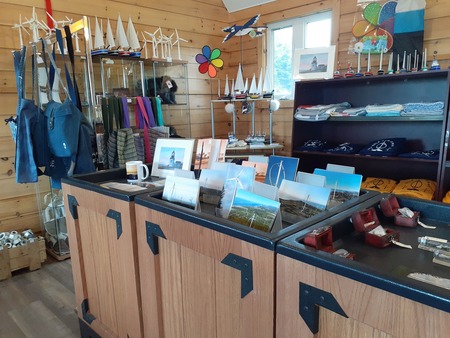
The Éole Project welcomes visitors every year from June 15 to October 1, 7 days a week, from 9 am to 5 pm. A visit that will interest the whole family with its originality and related educational activities. Visitors can also have a picnic, walk through flowered trails, and a permaculture garden at the foot of Éole. The wind-themed souvenir shop at the reception and on the site offers local Gaspesian crafts and unique Éole products.


Éole Project

projeteole.ca
5, chemin du Cap
Cap-Chat (Québec) G0J 1E0
418 967-8812

Entrepreneurs and businesspeople are often the ones behind great stories, the kind we want to tell and share. While we often hear unhappy tales when businesses go wrong, other people's successes are worth taking the trouble to bring into the open.

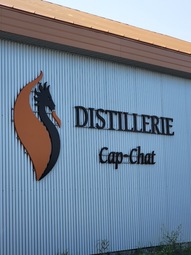
Carl Bourget and his family's story is just such a tale. For years, he owned a vineyard, a cidery, and a distillery in Lévis's Pintendre sector, in the Chaudière-Appalaches region. He wanted to expand his operations, but space was limited at his existing location. Today, after more than three years of effort and approximately $3 million in investment, Distillerie Cap-Chat holds a prominent place in Gaspésie.

A Fruitful Venture

After more than 25 years in business and solid results, Carl Bourget began looking for a new site in the greater Québec area and on the South Shore. After several unsuccessful attempts, his son's suggestion steered his search in a new direction: why not relocate to a tourist destination? Having grown up on the Îles de la Madeleine and in Gaspé, Carl naturally looked first to Gaspésie.

In the spring of 2021, Carl and his son Pierre-Étienne set out to explore together. Their first stop was in Haute-Gaspésie, in Cap-Chat, where, as it turned out, they never needed to look any further for the ideal site. A visit to the municipal office to explore the potential of the location led them to a large warehouse, a former shrimp processing plant now used as an automobile storage site.

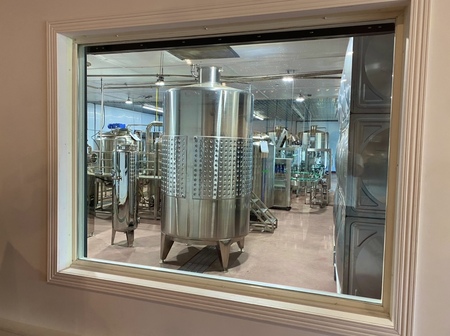
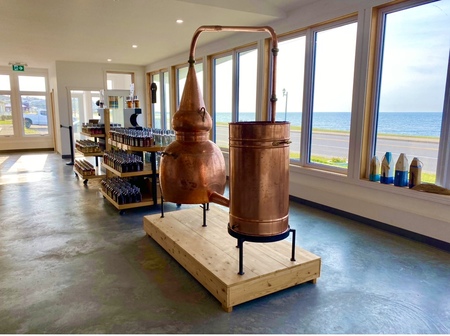
As soon as they stepped inside, they could see it was exactly what they had in mind: right on Route 132, facing the sea, just steps from a municipal rest stop, in a hub of the wind-power industry, at the gateway to a vast tourist region that is popular and sought-after in every season. The final advantage for their project, and not the least, was Cap-Chat's groundwater: fed by mountain springs in the nearby Chic-Chocs, it is of remarkable quality and nearly inexhaustible. The distillery's raw material was thus assured.

Distillerie Cap-chat

Negotiations with the owner moved quickly. And so, in May 2021, they took possession of the premises and began renovating and installing the distillation equipment. Meanwhile, Carl Bourget completed the sale of his Lévis facilities, to finally dedicate himself fully to his new baby. In a crowning stroke of good fortune, one day while he and his son were measuring the building, the owner of the neighbouring house mentioned that he was interested in selling, which did not fall on deaf ears.

Shortly afterwards, the Bourget family also became the owners of a sturdy, handsome residence right next door to their distillery. They say luck often attracts opportunity, and here was another eloquent demonstration of it.

The Wind in Its Sails
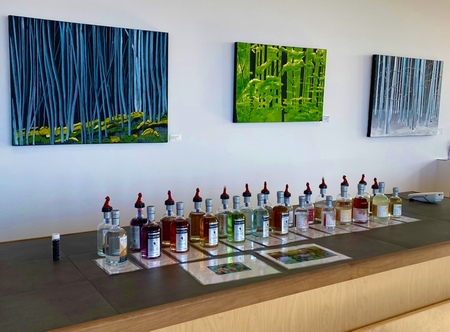
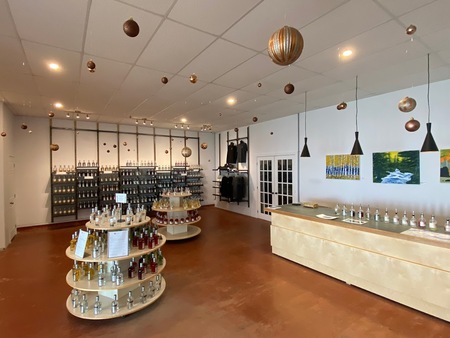
After more than a year of construction, installation, testing and planning, the first customers were able to purchase Distillerie Cap-Chat products in December 2022. The distillery produces a diverse range of spirits and liqueurs made from herbs and aromatic plants, several of them harvested in Gaspésie, such as flowering dune pepper, wild rose, thuja and balsam fir.

Distillerie Cap-chat

Since then, the company has kept growing and adding new products, all in 375 ml and 175 ml sizes. A fortunate marketing move, says Carl Bourget, that lets customers buy two or three different products instead of just one in the standard 750 ml or 1 L size. “It's also a product that fits well in the gift category,” he adds.

As it marks its second anniversary in December 2024, there are 13 products available, with a 14th, a strawberry liqueur, coming out for the holidays. Meanwhile, Distillerie Cap-Chat is awaiting a decision from the Société des alcools du Québec (SAQ) to market three of its products: Gin Pin Gris, Limoncello and Liqueur de framboise.

Distillerie Cap-Chat Distillerie Cap-chat

For the past year, Pierre-Étienne Bourget, vice-president of production, has been producing educational videos in English and French for the distillery's Facebook page, covering the distillery, its processes and other aspects of production and product development. He has also developed on-site cocktail-making workshops with a mixology expert, a format that will eventually be offered again.

Distillerie Cap-chat

Visitors can stop by Distillerie Cap-Chat for a product tasting or an interpretive tour. There's also a room available to host groups or local events such as cocktail parties, book launches, or other activities.

The company employs seven full-time staff, and production and sales run year-round, seven days a week, with varying hours.

Distillerie Cap-Chat

Distillerie Cap-Chat
distilleriecapchat.com
16, rue Notre-Dame Est
Cap-Chat (Qc) G0J 1G0
418 575-7899

By Gaëtan Vaudry

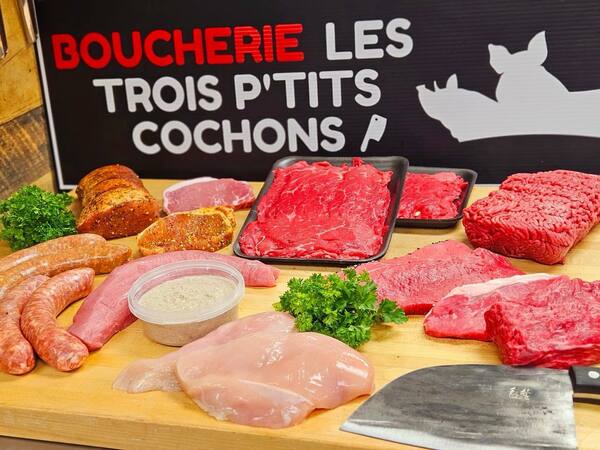
I knew that stopping in Baie-Comeau, an industrial-port city on the North Shore, would give me the chance to meet friendly people. This was indeed the case with Frédéric St-Laurent Garon, one of the three shareholders of the Boucherie les trois p'tits cochons. Getting to know Fred, as everyone calls him, is to meet a passionate craftsman. For him, meats hold no secrets, not to mention sushi, of which he became a master over a good decade. The most loyal customers praise the impeccable service of the butchery's team, as well as the great variety of numerous products, their quality, and the much-anticipated return of the sushi counter.

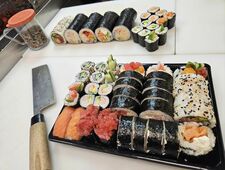
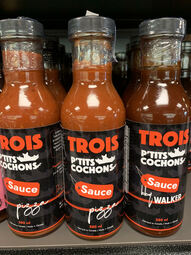
3 petits cochons2 3 petits cochons3 3 petits cochons4

Fred and his partner make it a duty to offer a good dozen products from local producers (including those from Les jardins de Carmanor farm), and several products from Boucherie les trois p'tits cochons also feature on the menus of Manicouagan restaurants: "It's important for us to promote the work of local artisans," the main interested party emphasizes. "We're even thinking of proposing to another butchery in the region to create a new sauce with us. Simply to demonstrate the beautiful fraternity that exists between the businesses of Baie-Comeau."

Well worth the detour!

Among the top sellers at Boucherie les trois p'tits cochons are, of course, classic beef, but also marinated meats, a wide variety of sausages, charcuteries (including those from Charcuterie Le porc-épique), beef and salmon tartares, not to mention the veal and haskap berry tartare, a real lightly fruity delight, and the house's cheeseburger tartare. During my visit, Fred had just finished preparing stuffed jalapeno peppers with cheese and wrapped in bacon... who can top that?

Always in search of novelties, Fred is very happy about his new collaboration with Pinto's MC Wagyu, offering Wagyu beef of exceptional quality, originating from Japan. "The quality of this beef is incredible," the young businessman points out. "And its flavor, highly enhanced. It's not cheap, but it's worth the detour!"

Fred and his team have many projects. The return of the popular sushi counter shows just how much this product is in demand at the Baie-Comeau butchery: "The boxes disappear almost the moment we place them in the counter," explains the expert. "We are therefore in constant production, to meet the high demand." I personally had the chance to experience a dish of 10 sushis, specially prepared by dear Fred. And I can now understand the enthusiasm of aficionados for this excellent product of Boucherie les trois p'tits cochons!

Boucherie les trois p'tits cochons
873, rue Bossé, Baie-Comeau
418 294-0804
Visit the butchery's Facebook page

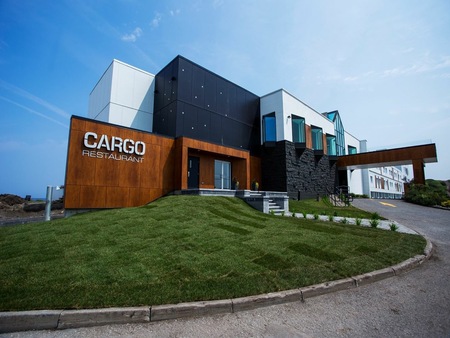
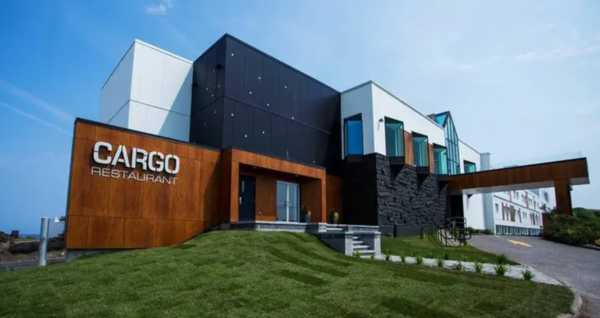
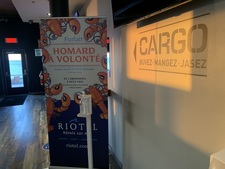
CARGO’s name is displayed proudly across the front of RIÔTEL-MATANE, making the restaurant impossible to miss. In 2025, it marked 10 years at the hotel, although long-time residents and regular visitors will remember that food service has occupied this same space for roughly 60 years, originally under the Hôtel des Gouverneurs banner.

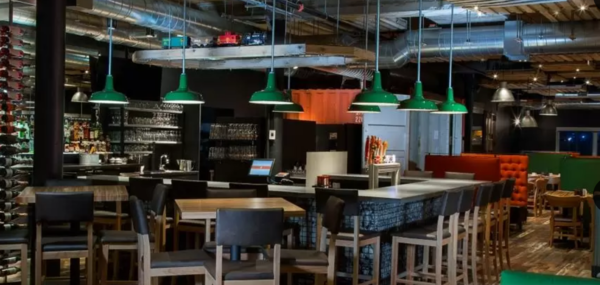
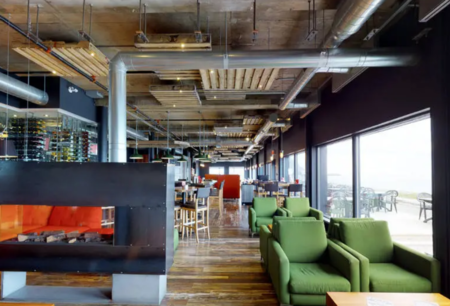
Today, CARGO has shed its old skin and become a distinctive restaurant that offers a year-round nod to Matane’s industrial and maritime heritage. Its decor charms with its fixtures, simple raw materials and interior design, which create a particularly welcoming atmosphere in which to fully enjoy both the menu and the natural setting.

Riotel-Matane+Cargo

The feature that most surprises and delights on arrival is the broad wall of glass overlooking the Saint-Laurent and the vast expanse of its maritime estuary. The larger-than-life landscape is captivating in every season, as are the spectacular sunsets that unfold day after day. Boats entering and leaving the neighbouring marina add to the holiday atmosphere and sense of maritime life.

Before dinner, guests can enjoy an aperitif in the CARGO LOUNGE, which offers house cocktails, regional and imported beers, and wines from an extensive cellar. Mocktails and other non-alcoholic drinks are also available, and the lemonade deserves a mention. The lounge suits groups of friends, families or simply a relaxed 5 à 7. In season and weather permitting, the outdoor terrace extends the experience for meals and cocktails alike, always with a sweeping view unique to Matane.

Riotel-Matane+Cargo Riotel-Matane+Cargo

A private room built inside a shipping container can seat 10 for a birthday, business lunch or similar occasion.

CARGO serves breakfast and dinner to local patrons and guests of both Riôtel-Matane and Pavillon-sur-Mer. A team of seasoned chefs led by chef Jean-Alexandre Dubé creates what RIÔTEL describes as simple, high-quality and approachable food: urban bistro cuisine inspired by Gaspésie flavours, with vegetarian dishes and a children’s menu. Takeout is available, and several dishes can be prepared gluten-free.

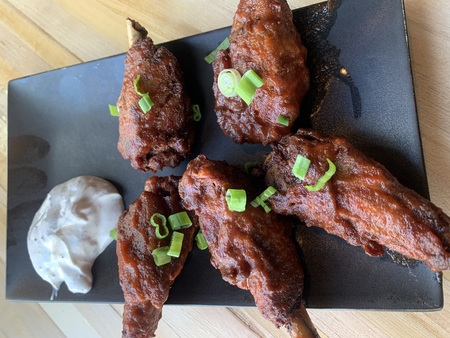
A number of menu items merit particular attention. Starters include duck drumsticks with crisp-pepper sour cream and foie gras au torchon with brioche, sea-buckthorn jelly and beet caramel. The flavours are undeniable. The beef and salmon tartares are also highlights. Main courses offer plenty of choice: fish and seafood, pasta, tartares, meats, burgers and vegan dishes. We enjoyed the house cod fish and chips, which evokes Gaspésie, and the AAA Angus flank steak and vegetables, worthy of a leading steakhouse.

Riotel-Matane+Cargo Riotel-Matane+Cargo

Desserts are limited in number but strong in quality, including a smooth cheesecake and banana tart filled with generous pieces of fruit.

At breakfast, CARGO offers a broad selection of plates, some incorporating seafood and even a breakfast poutine. Eggs and crêpes are served in several styles, accompanied by excellent coffee for those who need it to begin the day.

CARGO’s welcome and service are reputed to be of superior quality. Malela has worked there for 10 years, first as a server and more recently as maître d’hôtel, coordinating operations in the dining room and lounge.

Because Riôtel-Matane includes a convention centre, event participants also benefit from CARGO’s kitchen for catered meals. Following the acquisition of three other Gaspésie hotels, Groupe Riôtel Hospitalité extended the same broad menu concept to their restaurants, with variations showcasing local specialities in Percé, Bonaventure and, most recently, Carleton-sur-Mer.

Riotel-Matane+Cargo

Resto-bar-lounge CARGO
restocargo.com
250, avenue du Phare Est
Matane (Qc) G4W 3N4
418.566.2651

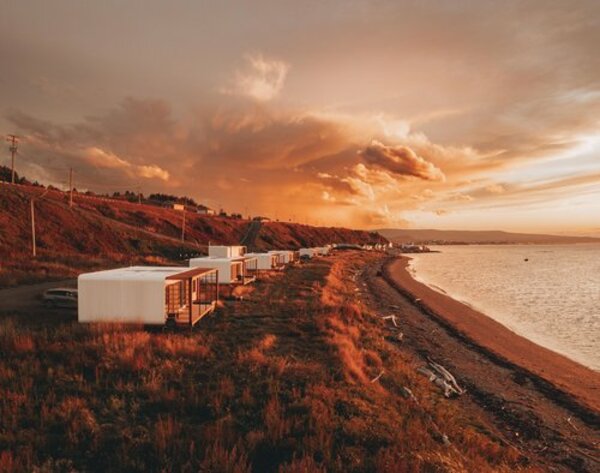
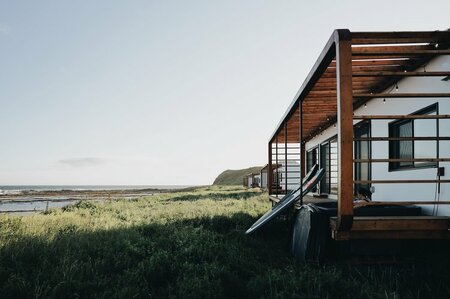
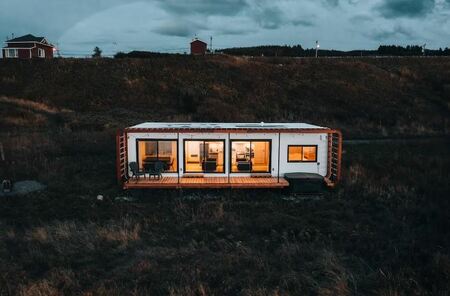
As you turn onto the steep road at the top of the hill and descend toward a row of white forms set along the shore a few kilometres east of Sainte-Anne-des-Monts in Haute-Gaspésie, the almost magical landscape is striking.

One founder acquired the land more than 15 years ago. In 2022, the first seven factory-built units, made in Lévis, were transported to the property for installation, interior fitting and finishing. Three more followed in 2024, completing a year-round group of lodges beside the Saint-Laurent estuary.
Panora Panora

Panora – Loges fluviales grew from the vision of entrepreneur Ghislain Rousseau; his son, Marc-André; his nephew, Cédric Andrews; and marketing director and co-founder Hubert Parent. The four founders chose the location in part for its natural beauty and share the values at Panora’s core: comfort, innovation, quality and simplicity.

Behind the project is Biome Canada, a Lévis company with more than 15 years’ experience manufacturing and selling yurts and ready-to-camp accommodation, which decided to create a lodging destination of its own. With the land already secured, the team designed a chalet model aligned with those values. The result, it must be said, is most astonishing.

Why call the units ‘loges’? ‘The word refers to an opera or theatre box, where we have a view of the stage, in this case the Saint-Laurent estuary,’ explains Hubert Parent. ‘The panorama is what guests mention again and again. A photograph cannot convey the feeling: the calm and the privacy. “Loge” was simply more appropriate than cabin or chalet,’ he adds.

 Panora Panora

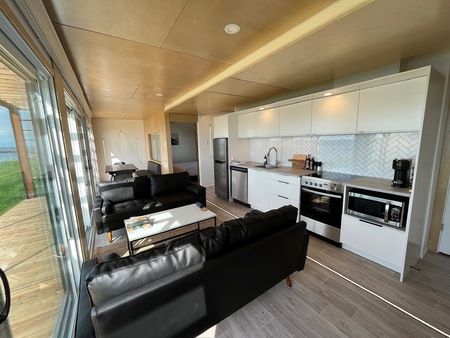
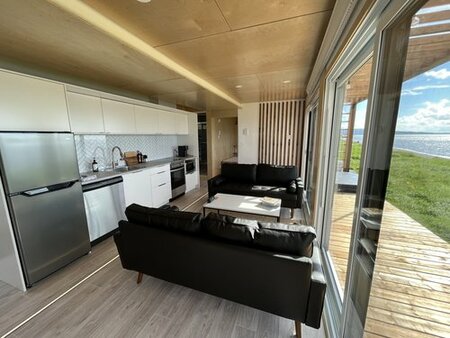
Panora – Loges fluviales therefore offers discreet, minimalist accommodation ideally placed for immersion in nature and easy access to an array of activities offering sensory experiences in abundance. The 10 units, seven with two bedrooms, are fully equipped with everything needed for a stay. Guests can feel comfortable, removed from everyday bustle and immersed in the natural setting. Although the lodges stand just beside the main road, they remain out of sight until visitors take the steep access road down the cliff. ‘You cannot see them from the road, and most of the time you hear waves, seabirds and wind rather than traffic,’ says Parent.

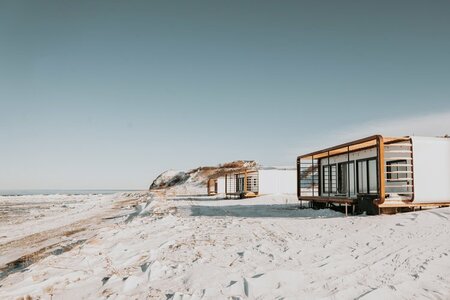
The first striking feature on site is the white vinyl membrane, an unusual cladding for this kind of building. More commonly used on urban ‘white roofs,’ including heat-island mitigation projects, it gives the rounded structures a unique, slightly futuristic character.

Panora Panora

The material’s manufacturer was somewhat sceptical at first but was satisfied with the result after visiting the site. In addition to its appearance, the membrane reflects sunlight and contributes to the building’s insulation. The vinyl-fabric shell is durable, requires no maintenance even in a saltwater environment and can be replaced easily, ensuring durability and efficiency.

Panora Panora

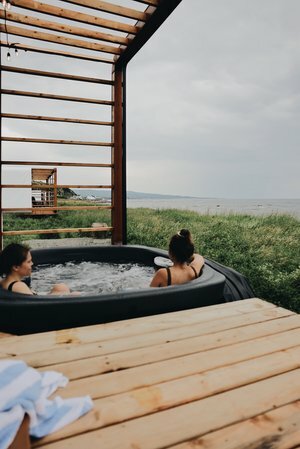
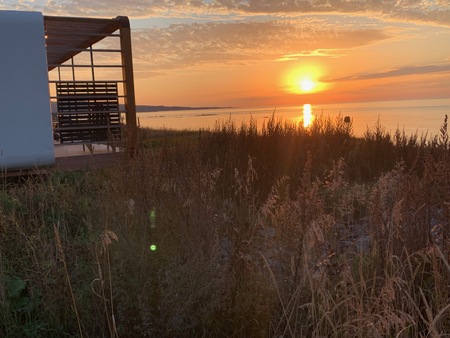
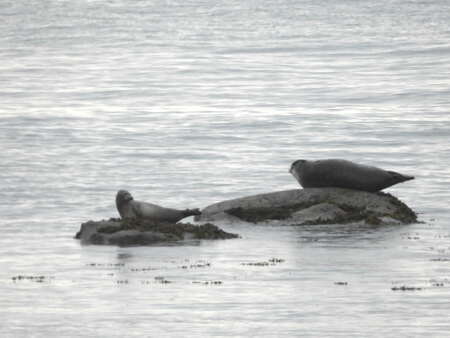
From an Adirondack chair on the long balcony, with a hot tub at one end, guests look out over a multitude of wild grasses, seaweed, large rocks and tide pools. Herons and other waterbirds are frequent visitors, as are the fascinating seals basking on rocks offshore. The shoreline can be walked for roughly 800 metres in either direction. Each lodge has a fire pit and two metal benches that can be converted into a table. Then there are the celebrated sunsets over the water.

Panora Panora

The fragile ecosystem surrounding the site must be protected. The layout was designed to prevent erosion between the lodges and the shoreline, and the highly responsible construction incorporates certain recycled materials. Because the structure uses no conventional boards or framing members, its walls, floors and ceilings contain no thermal bridges and reduce annual operating costs for heating, cleaning and cooling by 40–60% compared with traditional prefabricated buildings. There are also no foundations to disrupt the soil. Beside the majestic waterway, where a breeze always blows, floor-to-ceiling windows and sliding doors create natural cross-ventilation in every room, eliminating the need for mechanical air conditioning.

To round off the many features that set the loges fluviales apart, two electric-vehicle charging stations are already available, with two more planned for 2025.

Does Panora plan further development here or elsewhere? Hubert Parent mentions the possibility of adding a few more units on a second tier. A new waterfront site somewhere between Lévis and Sainte-Anne-des-Monts is also possible if a suitable location and affordable land can be found.


Panora

Panora · Loges fluviales
panoraloges.ca
610, boul. Sainte-Anne Est
Sainte-Anne-des-Monts, QC, G4V 1P2
418-907-9153

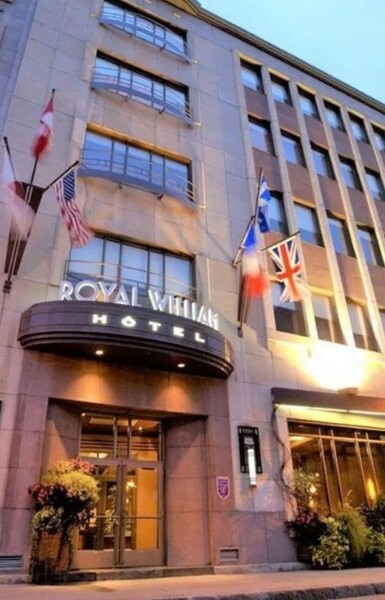
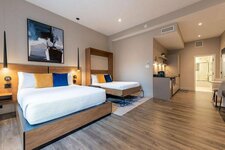
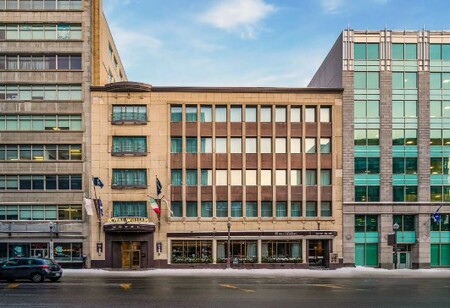
Over the last twenty years, Saint-Roch has earned the nickname “Nouvo Saint-Roch.” Right in its center, the Hôtel Royal William, now owned by Sept-Îles entrepreneur, hotelier, and developer Simon Dubé, has been reborn since 2018. Today, it brings a fresh dose of charm to Québec’s lower town, blending elegance, history, and great food.

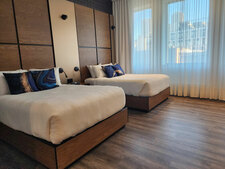
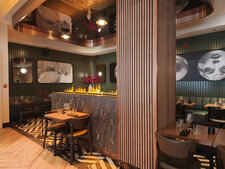
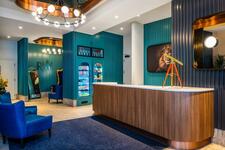
Dubé’s journey wasn’t easy. Soon after buying the hotel, he faced a pandemic and a restaurant fire. A $6 million renovation followed, updating the 47 rooms and studios, refreshing the lobby, and giving the ground-floor restaurant a new Italian identity as Mila. Work has also been underway since 2026 to redesign the building’s façade on boulevard Charest.

Royal William 2026 Royal William 2026 Royal William 2026

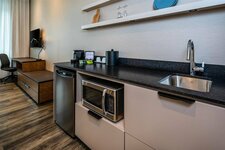
The hotel has long been a favorite among Québec and Montréal’s artists and public figures. Its location is hard to beat, just steps from Saint-Roch’s cultural spots, restaurants, and the historic upper town. Parking is available nearby, under the Bibliothèque Gabrielle-Roy. The meeting rooms work for corporate events, training sessions, cocktails, birthdays, or product launches. Many rooms and suites even have kitchenettes, so guests can cook a meal or grab a quick bite without leaving. 

Royal William 2026 Royal William 2026

MILA Ristorante, the hotel’s completely reimagined restaurant, serves up refined Italian cuisine with carefully chosen ingredients. Co-owner Tchad Khalil, a passionate Italian food lover, brings years of restaurant experience to the table. He found a like-minded partner in Simon Dubé. “We wanted to create a place where every meal feels like a journey, something that comforts and inspires,” Khalil says. Mila also serves breakfast, with a hearty buffet open to hotel guests and anyone else craving a flavorful start to the day.

Saint-Roch wasn’t always this lively. Once a working-class neighborhood, it’s now a prime example of urban renewal in Québec. Development projects, creative businesses like video game studios and tech labs, a thriving arts scene, university outposts, and major organizations have all helped transform the area. The old energy is back, but with a modern twist, making Saint-Roch one of the city’s most dynamic districts.

The revitalization of Saint-Roch is part of a larger effort to expand public spaces, support local businesses, and preserve the area’s heritage. The building that’s housed the Royal William for over 25 years is one of those gems, its façade reminiscent of the long, retro-style hotels of 1920s Manhattan. “I wanted a boutique hotel that felt different from Québec’s bigger chains, a place without pretension, where you feel at home, with good service at fair prices,” says Simon Dubé.

Royal William 2026  Royal William 2026

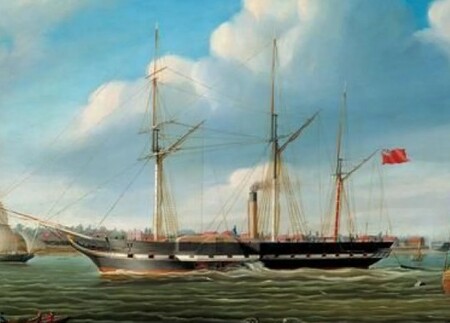
For history lovers, the shift from sail to steam in the 19th century changed global trade forever. The first transatlantic crossing by a steamship was a major achievement. While other countries have claimed the honor, Canada holds it. The Royal William, a paddle steamer built at Québec’s Campbell and Black shipyard, made the journey from Pictou, Nova Scotia, to Portsmouth, England, in 1833, proving it was the first.

Royal William 2026 The Royal William, built in Québec in the early 1830s.

Québec recently announced a 2026–2029 plan to invest $80 million in Saint-Roch, with big ambitions for the district over the next 15 years.

Royal William 2026

Hôtel Royal William royalwilliam.com
360 boulevard Charest Est Québec, QC G1K 3H4
(418) 521-4488

The flagship of the Riôtel Hospitalité group in Gaspésie, Riôtel-Matane was also the first property to bear the name, replacing the former Hôtel des Gouverneurs after Groupe Rioux acquired it in 1984. In addition to an original accommodation experience, distinctive comfort, modern amenities and breathtaking views, the property is also well known for CARGO, its restaurant, bar and lounge. Popular with locals and travellers alike, CARGO offers urban bistro cuisine inspired by Gaspésie flavours, a seaside terrace and spectacular sunsets.

Riotel-Matane+Cargo

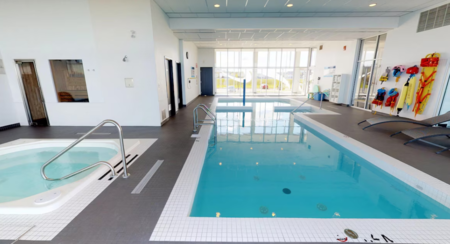
In the years after the acquisition, the hotel was renovated and a convention centre added. Then, in 1995, growing demand for accommodation led to the construction of a new building next to the hotel in Matane, now known as Pavillon sur Mer. Major renovations and expansion of Riôtel-Matane’s main building in 2014 and 2015, including an indoor pool, gym, sauna and the CARGO restaurant, completed an $8 million investment plan that gave Matane an international-calibre hotel.
Riotel-Matane+Cargo Riotel-Matane+Cargo Riotel-Matane+Cargo

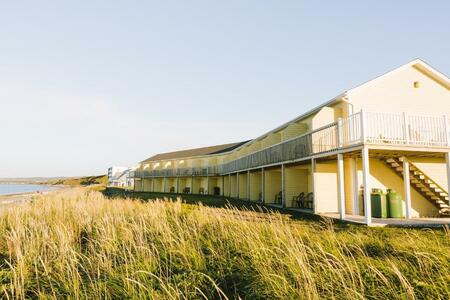
The complex alone creates a maritime atmosphere from the moment visitors leave Route 132–avenue du Phare, just beyond the bridge over the rivière Matane, and approach the striking modern main building. The marina at the river mouth, where it meets the Saint-Laurent, forms a unique backdrop for Pavillon-sur-Mer above it and for nearby Riôtel-Matane, which stands almost directly on the beach.

Riotel-Matane+Cargo

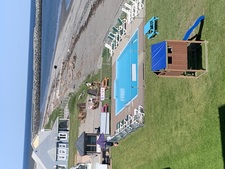
Needless to say, in summer, when vacationers fill the area, the atmosphere is at its liveliest. The heated outdoor pool beside the sea lets guests of both properties enjoy the day, until the sun drops into the distance and disappears below the water, an endlessly compelling spectacle. Guests also receive complimentary electric-vehicle charging.

Riotel-Matane+Cargo

Riôtel-Matane offers several categories of rooms year-round, including superior rooms in the stepped section at one end of the building, with either sea or city views. Pavillon-sur-Mer, with its unobstructed outlook, offers 24 simpler, comfortable rooms at a lower price and strikes the right balance between service and budget. Preferential rates are also available for stays of seven days or more.

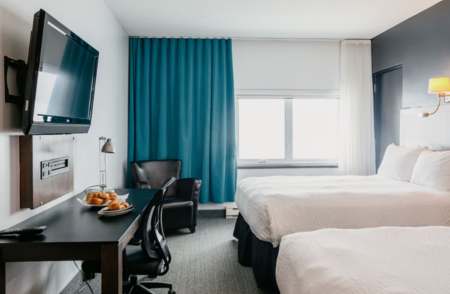
Riôtel-Matane’s rooms include everything needed for optimal comfort: comfortable beds; convenient, well-organized workspaces; multi-socket outlets for electronic devices; high-speed internet; air conditioning; a mini-fridge, microwave and coffee maker; a smart television; private balconies in many rooms; and numerous other amenities that make the stay thoroughly pleasant.

Riotel-Matane+Cargo

In all, the hotel has 68 rooms facing either the Saint-Laurent or the city, all accessible by elevator. Options include Comfort rooms with river-view balconies, family rooms sleeping up to six, rooms with foldaway beds and rooms with direct access to the parking lot.

Finally, another important asset for business travellers and event and party organizers is Riôtel-Matane’s spacious, modern convention centre. Its fully equipped, multipurpose rooms, several overlooking the sea, can accommodate 10 to 450 people in various configurations. Conventions, business meetings, weddings, press conferences, training sessions, workshops, cocktail receptions, 5 à 7 gatherings, holiday celebrations and office parties can all be accommodated.
Riôtel-Carleton has another major year-round convention centre, while Riôtel-Percé and Riôtel-Bonaventure can host smaller events in a meeting room or restaurant during their summer operating season.

With four properties in Gaspésie, the Riôtel chain plays a major role in business and leisure accommodation, higher-end dining and event hosting through its two convention centres. Groupe Riôtel Hospitalité was created in 1997 and is chaired by François Rioux, the founder’s son, who has led the business since 1990. Since then, the Gaspésie hotel group has grown remarkably and developed a concept and service signature that make Riôtel-Matane a model of its kind for accommodation and hotel services in Gaspésie.

Riotel-Matane+Cargo 

riotel.com/fr/hotels/matane
1 888 427 7374
250, avenue du Phare Est Matane (Québec) G4W 3N4

RSS Feed

Subscribe

Categories

Tags

Latest Posts

Archives